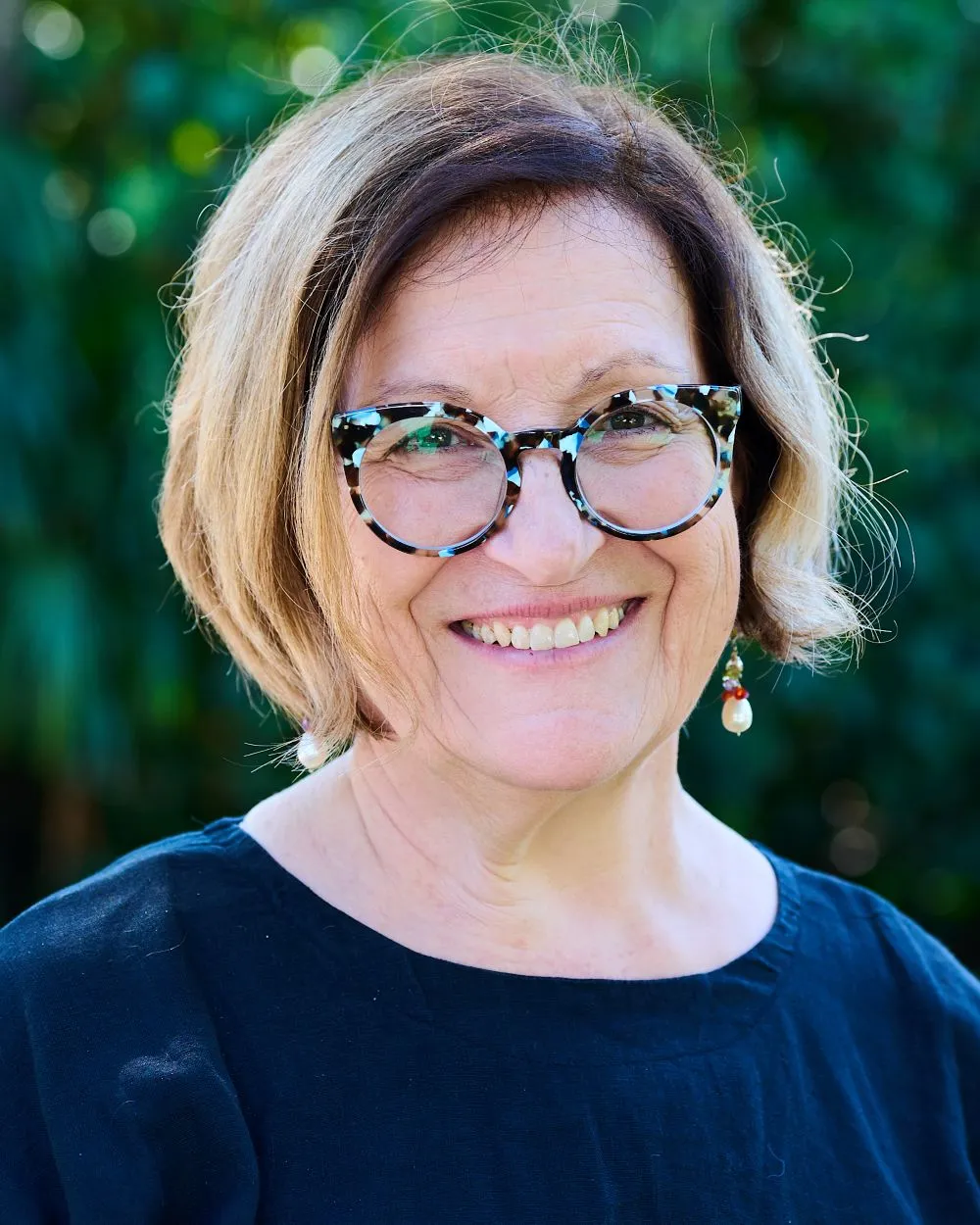






Michelle Branham has spent decades working with Florida seniors navigating Alzheimer's, and the issue is deeply personal — she watched her own mother care for her grandmother through progressive dementia. Writing in the Washington Examiner, she makes a clear-eyed case that the science to detect and slow Alzheimer's is here, and the only thing standing between patients and a better future is policy. Read the full piece here →
From the Washington Examiner, by Michelle Branham:
"Today, patients wait an average of 3.5 years to receive a dementia diagnosis, often after significant memory loss and irreversible cognitive decline. Families are left responding to crisis instead of getting diagnosed early and having the opportunity to plan, prepare, and pursue early interventions that can bring more time with loved ones."
"Medicare has an important opportunity now to modernize its approach to cognitive health by requiring standardized, validated cognitive assessment tools during initial and annual wellness visits. Right now, assessments vary widely across practices, and early signs of Alzheimer's are missed during the critical window when patients have the greatest opportunity to benefit from intervention and treatment."
"Just as we routinely check blood pressure and cholesterol to protect heart health, screen for cancers before symptoms appear, and monitor other markers to identify concerns sooner, evaluating cognitive health should become an expected part of aging well."
"I know the sacrifices families make and the heartbreak they endure. I also know what even a few additional months of clarity, independence, and meaningful time together can mean."
Branham's piece in the Washington Examiner is a timely reminder that scientific progress only matters if it reaches patients — and that getting there requires Medicare to catch up with the medicine. Read the full commentary here.