




From the Orlando Sentinel, by Kathi Rigby
"This treatment improved my memory and mental sharpness, giving me more good years with the people I love: my husband Brent, my six children, 22 grandchildren, and two great-grandchildren. I'm grateful that my grandchildren get to know me not as an Alzheimer's patient, but just as a grandmother who is capable of talking to them, teaching recipes and making memories."
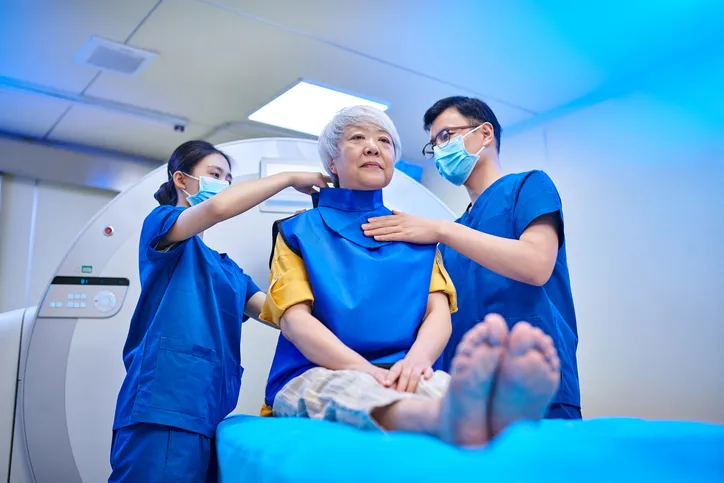
"Before I enrolled in the clinical trial, my symptoms affected every moment. I was anxious and fearful. I got lost on a path Brent and I had taken thousands of times. If I was interrupted in conversation, I couldn't find my way back to my original thought."
"Months into treatment, I felt like I could function again. I knew where I was and what I was doing. On one occasion, our doctor interrupted a conversation, and when he left the room, I picked up right where I had left off. I hadn't been able to do that in months. Brent and I looked at each other and knew I was back."
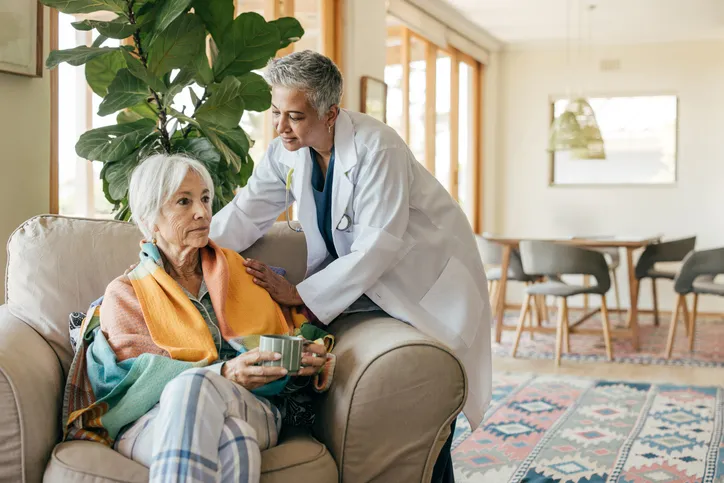
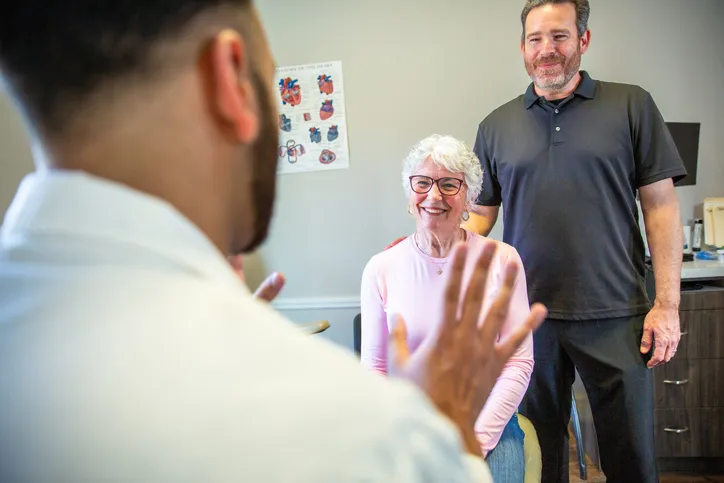
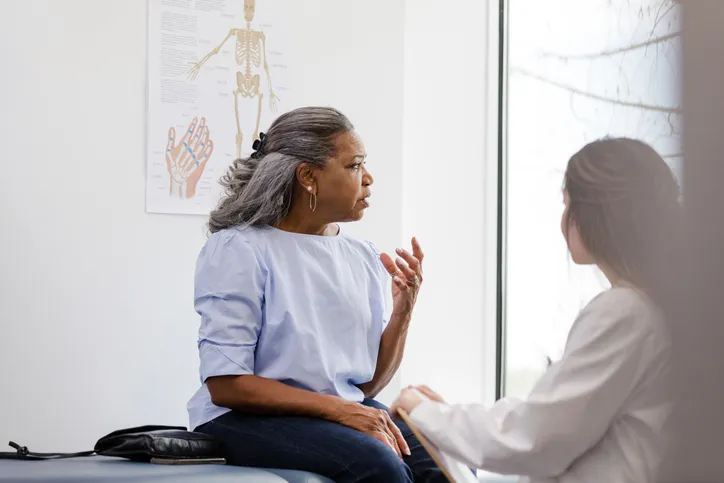
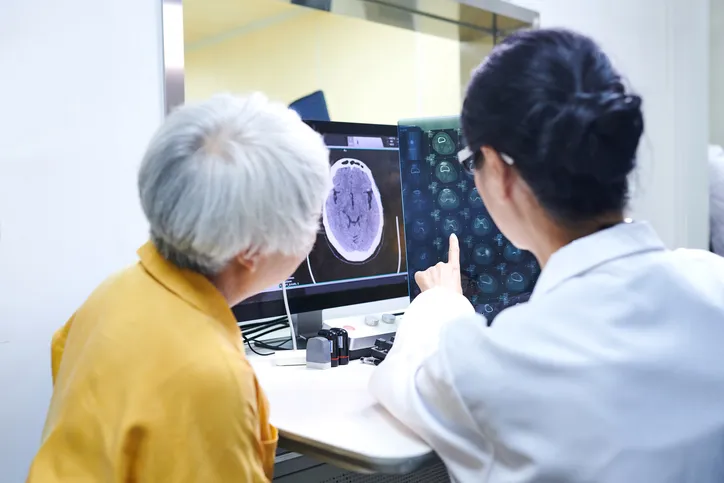
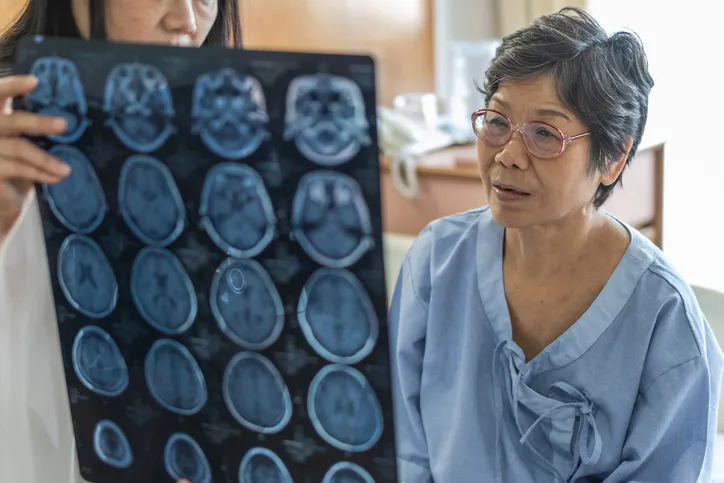
"I was blessed to have a primary care doctor who caught my decline early, took it seriously, and pushed me to get answers. That early diagnosis is what made my trajectory possible."
"My diagnosis has not been easy, but it is not the hopeless path I thought it would be. It has given me time to fight for the life I love and to help make that fight easier for the people who come after me."
Kathi Rigby's story is a powerful reminder that early diagnosis and access to emerging treatments can meaningfully change what an Alzheimer's diagnosis looks like, not just for patients, but for the families who love them. Read her full commentary in the Orlando Sentinel here.
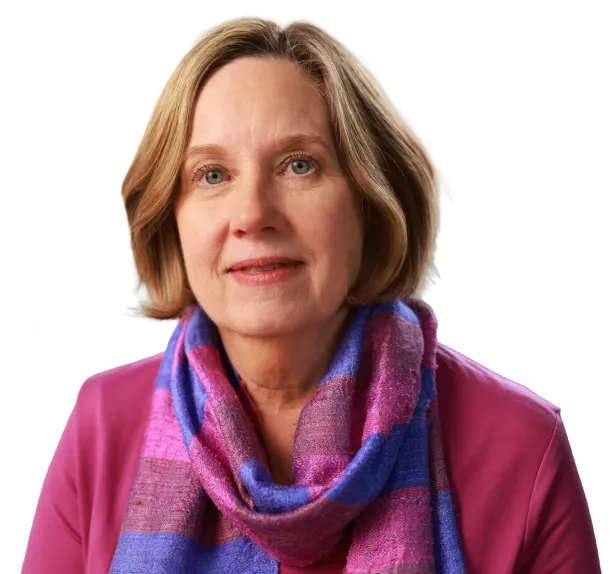
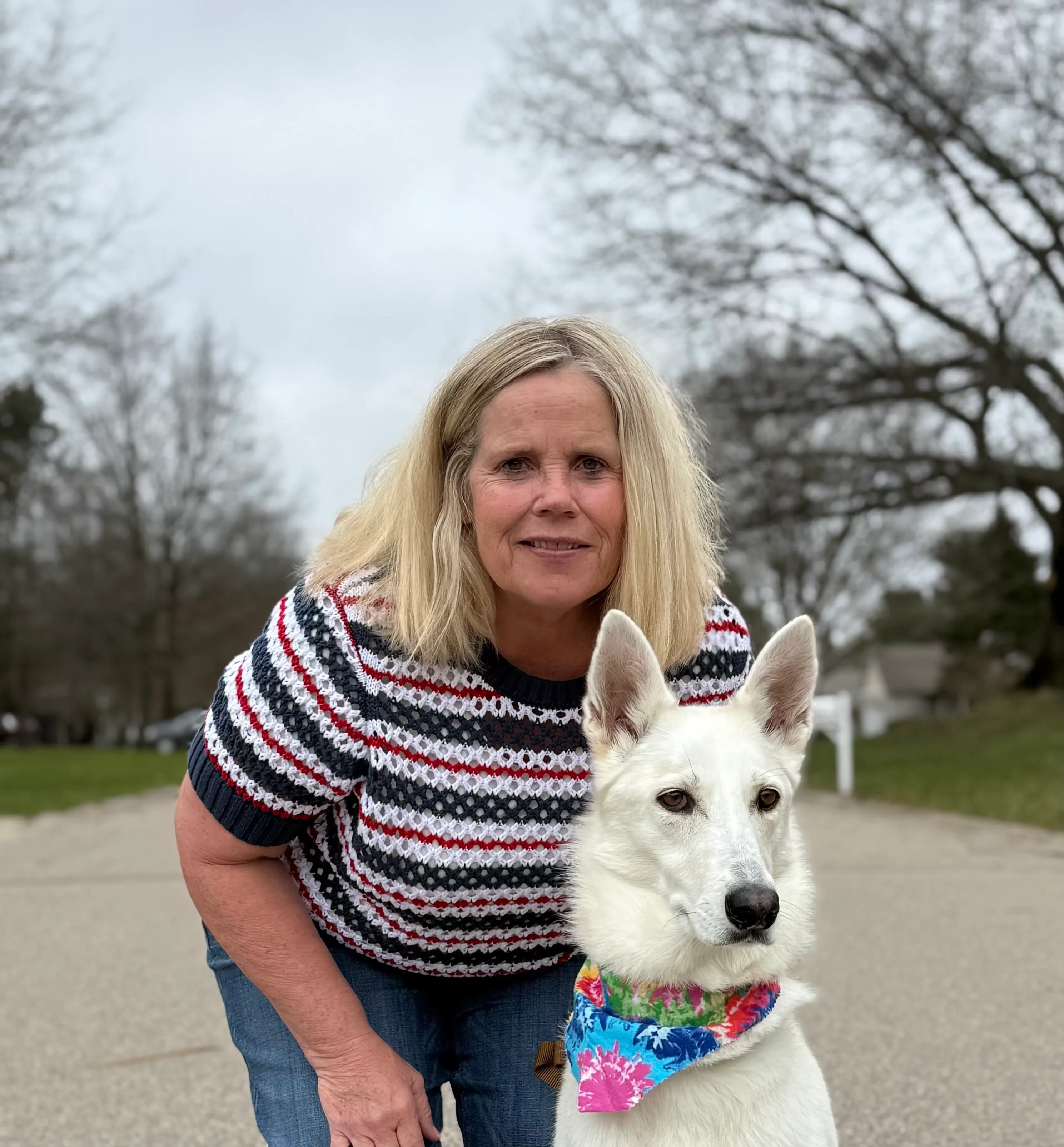
Kathi Rigby is an Alzheimer’s advocate and patient living in Anaheim, Calif., and Summerfield.