





Alzheimer’s is one of the most feared diseases among older Americans. While there is no cure, FDA-approved anti-amyloid treatments can slow the disease progression. And now a simple blood test can detect Alzheimer’s long before symptoms emerge, creating a decades-long window for intervention that is changing what it means to live with Alzheimer’s disease.
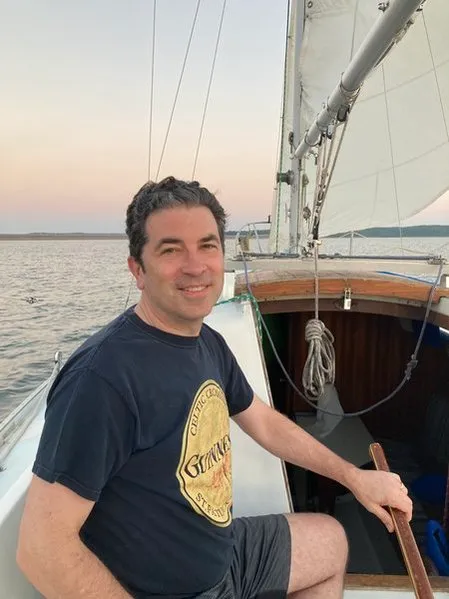
Writing in The Wall Street Journal, Dr. Brent Beasley tells his remarkable story of getting diagnosed with Alzheimer’s at age 57, and how taking early action helped him to live a joyful and purposeful life.
“I was fortunate that we caught it early enough for my care team to act. Diagnosing Alzheimer’s early is like finding stage one cancer rather than stage four. If you catch it early, you can pursue lifestyle or medical interventions to slow the disease.”
“Stories like mine tend to make people think of loved ones with Alzheimer’s or their own fears of developing it. It’s an understandable concern: 1 in 5 women and 1 in 10 men 45 and older will develop Alzheimer’s. The good news is that we now have the technologies to diagnose and treat it early. Up to 40% of dementia cases are preventable or can be delayed when caught early and treated with lifestyle changes such as exercise, good sleep and social engagement. Walking as few as 5,000 steps a day has been shown to delay markers of cognitive decline by seven years on average. For some patients, cutting-edge therapies like the anti-amyloid medicine my doctor prescribed for me can preserve cognitive health and independence.”
While family history can increase a person’s risk of developing Alzheimer’s by 30%, other risk factors are modifiable. The recent U.S. POINTER Study showed that a combination of healthy diet, exercise, heart health, and social life can make a meaningful difference in protecting brain health. According to The Lancet, nearly half of all dementia cases worldwide could be prevented or delayed by addressing 14 modifiable risk factors.
FDA-approved anti-amyloid drugs can slow the disease progression, but come with risks. Furthermore, these drugs are only recommended for people in the early stages of Alzheimer’s disease. Amyloid plaque, one of the hallmark signs of Alzheimer’s disease, begins accumulating in the brain decades before any symptoms arise. The newly FDA-approved p-tau217 blood biomarker tests can detect Alzheimer’s in pre-symptomatic stages, opening a critical window for early intervention.
“To change the trajectory of the disease for our children and grandchildren, we must make early Alzheimer’s detection a national priority. That means expanding access to blood-based tests like p-tau217 so that patients can be diagnosed before their brains are permanently damaged. It means ensuring that once someone qualifies for a U.S. Food and Drug Administration-approved anti-amyloid therapy, insurance rules don’t stand in the way. It means empowering primary-care doctors—the clinicians most people see—to detect Alzheimer’s early and guide families through treatment and lifestyle options rather than referring them to specialists with yearlong wait times.”
Few voices are as powerful as a clinician turned patient. Dr. Beasley’s experience speaks to the power of early diagnosis, and what it will take to make outcomes like his the norm, not the exception.
You can read the full piece here.