





By Liz Seegert
When the medical system repeatedly dismissed her symptoms as menopause, Shon Lowe did what the system wouldn't. She ordered her own genetic test, walked back into her doctor's office with the results, and demanded to be taken seriously. Now navigating both her mother's frontotemporal dementia and her own mild cognitive impairment, she's turned her frustration into advocacy.
In Chicago Caregiving, Lowe speaks candidly about what it takes to fight for yourself and a loved one at the same time.
"I could either avoid the conversation and hope for the best, or do something most people in our communities are discouraged from doing, which is ask questions early and insist on being taken seriously. I chose to pursue genetic testing before anything got worse. That was the turning point."
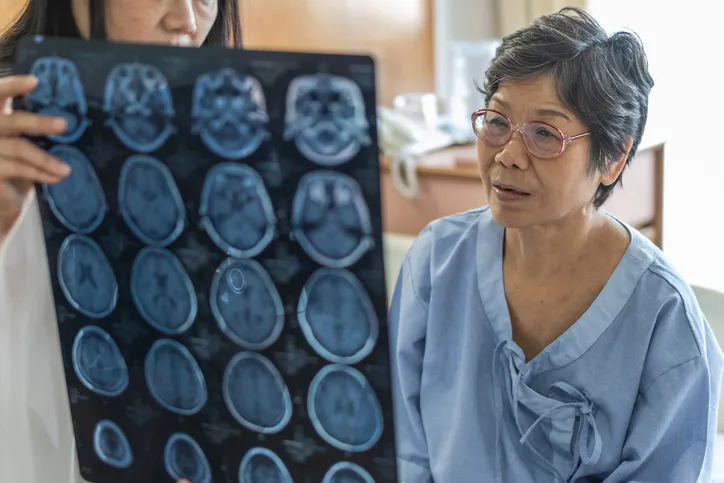
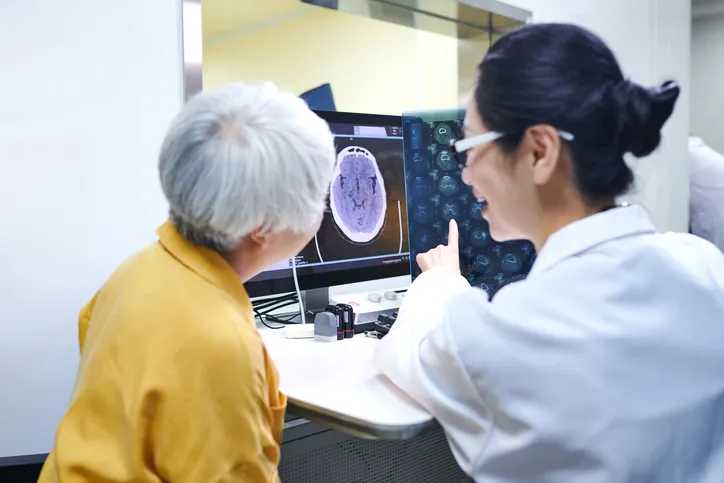
"I was ready for another dismissal. But he looked at the paperwork and he actually said, 'How did you get this test?' He was genuinely surprised. He ordered an MRI, a neuropsychological evaluation, and a field test in the office. The imaging and testing showed cognitive decline. When I got that news, I thought first about my family, and then I made myself a promise. I am not leaving this world without a fight."
"Trust yourself. You know your body, and you know your family history better than any doctor does. If your concerns are being dismissed, that is not the final word. It's the beginning of a longer conversation you are entitled to have."
"I want them to laugh. I'm a sense-of-humor person. I don't move through life holding my breath... My neurologist told me that staying engaged, being out among people, living fully, is some of the best medicine there is. Keep hope alive. That's the whole message."
You can read the article in full at Chicago Caregiving here.