




Over 100 million Americans provide unpaid care to their loved ones. Families are thrust into caregiving roles when dementia strikes, with little warning. A new blood test that can detect Alzheimer’s before symptoms appear could move that starting line, giving families more time to prepare and plan for care, instead of waiting until crisis hits. Whether policy catches up to meet families at the point of diagnosis and recognize the essential role that caregivers play, remains one of the most urgent questions in American health care.
In USA Today, Emma Heming Willis, wife of actor Bruce Willis who lives with frontotemporal dementia, and Steve Schwab, CEO of the Elizabeth Dole Foundation, write that “caregiving is a national crisis we can’t ignore”. They describe caregiving as an act of love, which comes with emotional rewards but too often leaves caregivers isolated and lacking support.
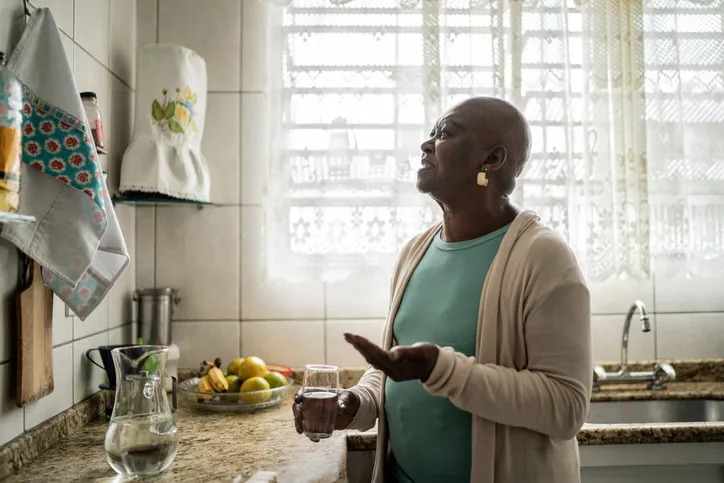
“Caregiving for someone with dementia is not simply a set of tasks. It is the invisible labor of managing medications, coordinating appointments, navigating systems not designed with caregivers in mind and adapting – daily – to memory loss, personality changes, disrupted sleep and unpredictable behavior.
It is vigilance layered on top of physical care. It is learning how to keep going when you are exhausted, showing up again and again out of love, even when it feels impossibly hard.” [...]
“In 2019 alone, family members and friends provided an estimated 18.6 billion hours of unpaid care to people living with dementia – care valued at roughly $244 billion. This is essential labor propping up families, health care systems and the economy – largely unseen and uncompensated. Caregiving is essential infrastructure, yet it remains largely invisible.” [...]
“Caregiving is not a niche concern. It is a defining test of who we are as a nation, shaping our population, our health care system and our economy.”
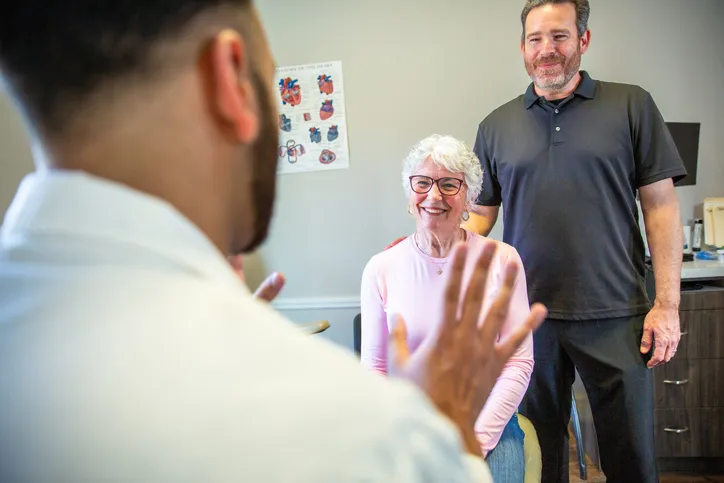
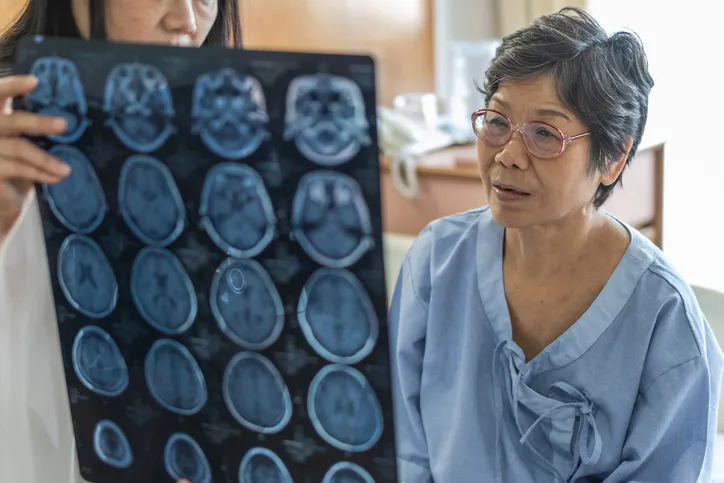
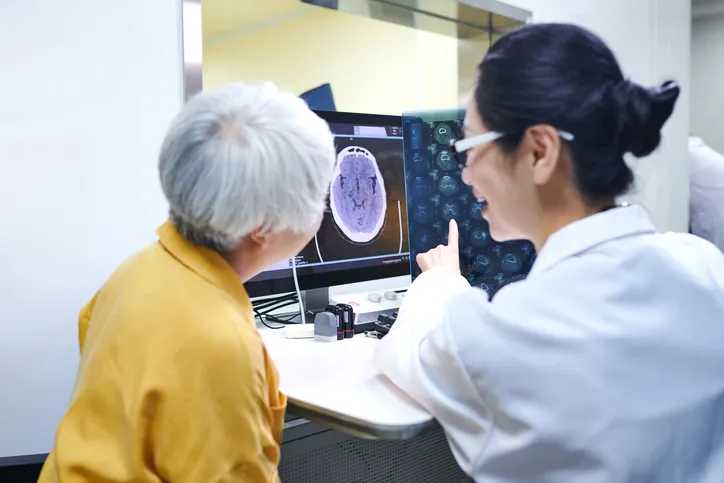
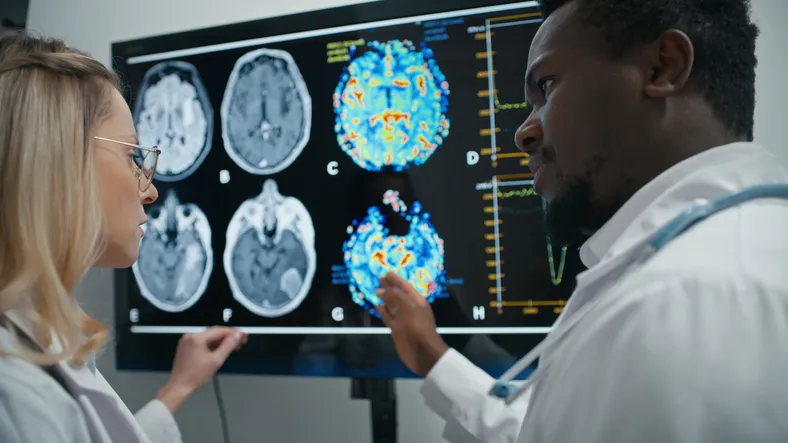
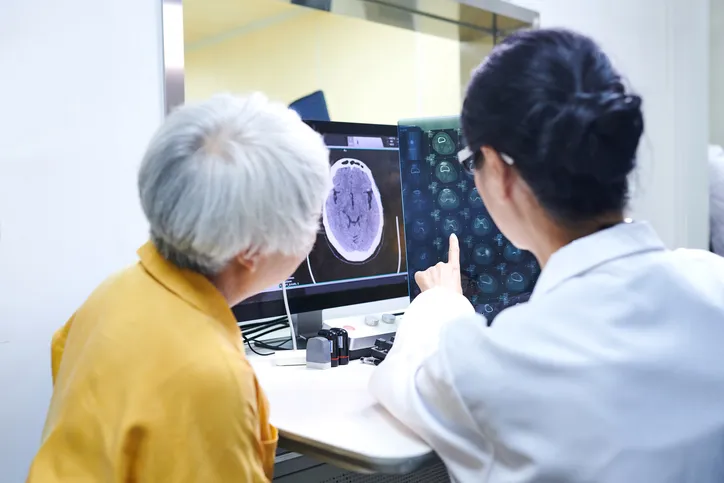
Dementia caregiving is difficult to plan for. Diagnosis is often crisis-driven, by which point symptoms have reached an advanced stage. Earlier detection gives families more time to have critical conversations and put plans in place to prevent emergencies. A breakthrough blood test may offer that head start. In Newsweek, Lydia Patrick writes about new study findings that a “single test could predict Alzheimer’s symptoms before they even begin”.
“According to the researchers, their concept could estimate the age of onset of Alzheimer’s symptoms to within three to four years—an ability that could transform both clinical trials and, eventually, how doctors identify people most likely to benefit from preventive treatments.” [...]
“The model is powered by a blood marker called p‑tau217, a protein linked to the buildups of amyloid and tau in the brain—the two defining features of Alzheimer’s disease. These proteins begin accumulating many years before memory problems emerge.”
The study found that someone with elevated p-tau217 levels at age 60 typically developed symptoms 20 years later, while older adults may show symptoms sooner. The earlier a person tests, the more time they typically have to intervene.
“Researchers say this suggests younger brains may be more resilient to early Alzheimer’s changes, while older adults may show symptoms sooner even with lower levels of disease markers.”
Reporting in The Hill, Max Rego also covers the study, emphasizing the affordability of blood tests over other methods used to predict Alzheimer’s symptoms. He cites bipartisan efforts to make blood-based dementia screening more accessible through medicare.
“In November, Rep. Vern Buchanan (R-Fla.) introduced legislation to expand the Social Security Act to provide for Medicare coverage of blood-based dementia screening tests. The Alzheimer’s Association and the Alzheimer’s Impact Movement backed the Alzheimer’s Screening and Prevention Act, which remains in the House Energy and Commerce Committee and Ways and Means Committee.”
A test that helps predict the onset of Alzheimer’s symptoms will transform clinical care. It means more time to plan, sometimes decades. For families facing dementia, that window can make the difference between crisis and readiness.
You can read the full USA Today piece here, Newsweek here, and The Hill here.