


By Ronald Stein, P.E, Heartland Institute
After the U.S. capture of Nicolás Maduro in early January 2026, Venezuela has been receiving a lot of press the past few weeks.
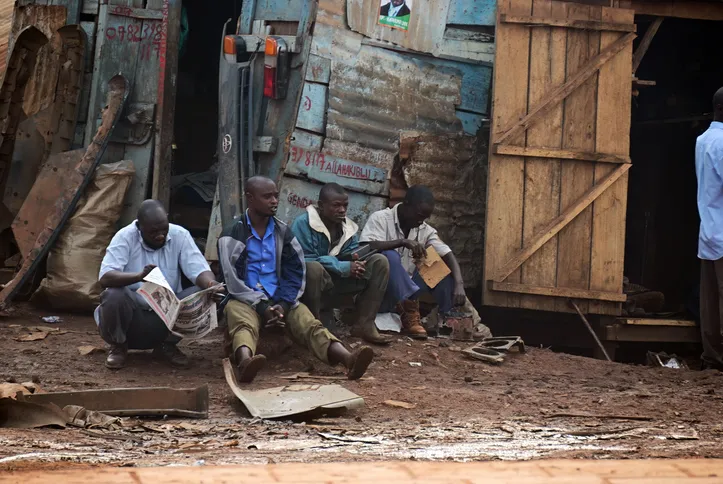
Of particular interest is that as of today, more than 90 percent of the 30 million Venezuelans, i.e. 27 million, live in poverty. Nearly 70 percent are stuck in extreme poverty. Shockingly, 80 percent of the eight billion people on planet Earth, more than six billion, are living on less than $10/day. The 27 million Venezuelans represent only about 5 percent of those six billion living in poverty around the world.
Much of the worldwide poverty is concentrated in Asia and Africa, reflecting significant global inequality and shorter life expectancies than those in wealthier countries. A large majority still live at lower income levels, facing challenges even with rising global incomes.
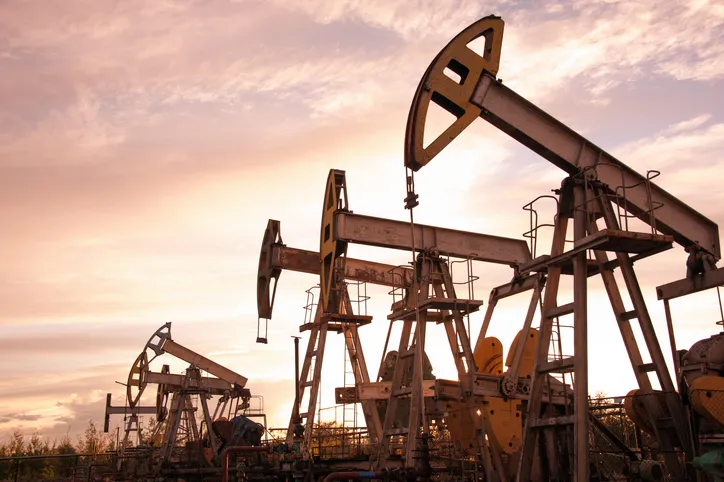
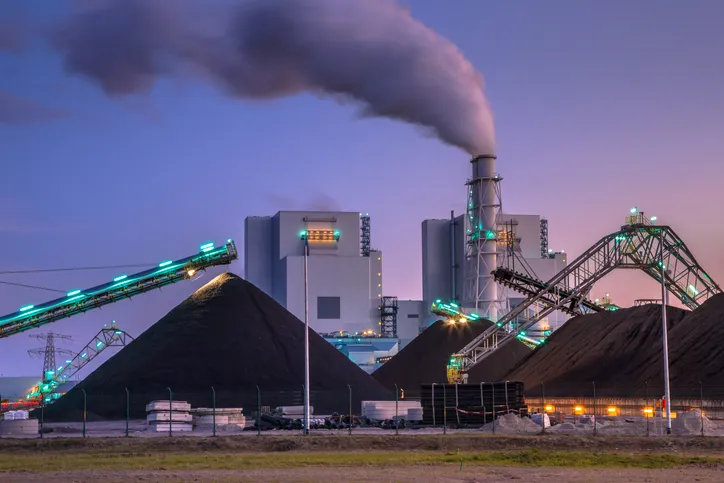
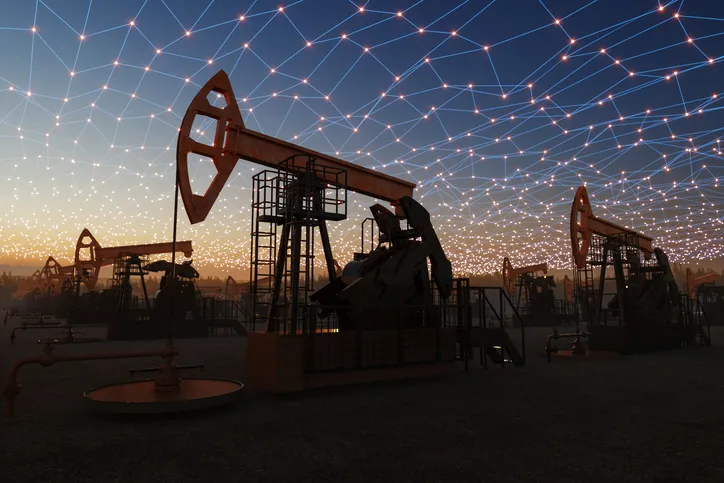
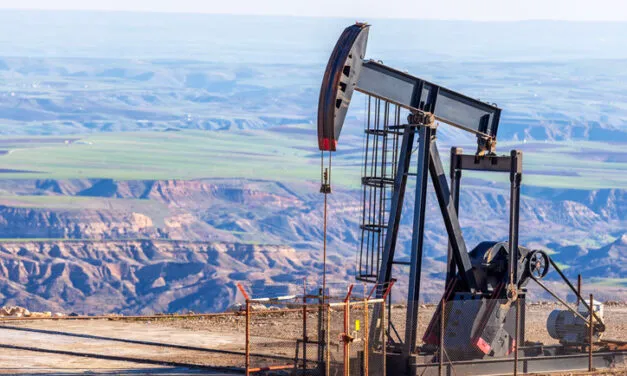
After we discovered ways to process black tar, i.e., crude oil, through refineries and were able to make into various oil derivatives that are the basis of more than 6,000 products and transportation fuels that support the publics’ demands for those products, that is the one of the main reasons we continue to explore for that black tar.
In poor countries, millions of those in poverty die every year.
- From indoor air pollution from having to burn wood, charcoal, grass, and dung, because they don’t have natural gas, propane, or electricity for cooking and heating.
- From bacteria and parasites in their water and food, because they don’t have electricity, water treatment, or refrigeration.
- From malaria and other diseases, because their substandard clinics and hospitals lack electricity, clean water, sufficient vaccines and antibiotics, even window screens.
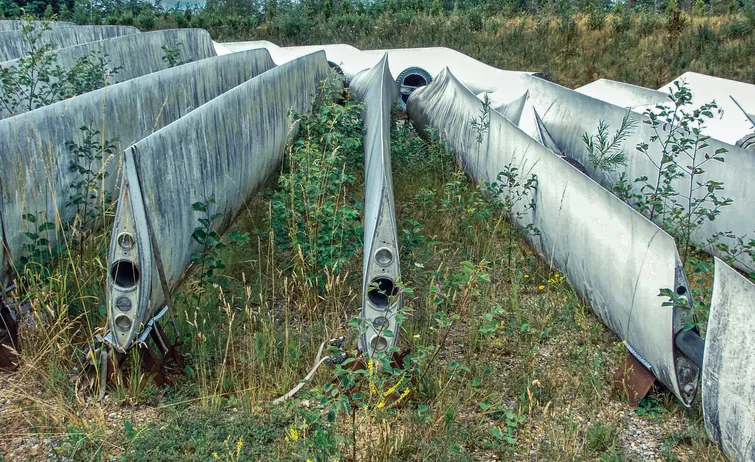
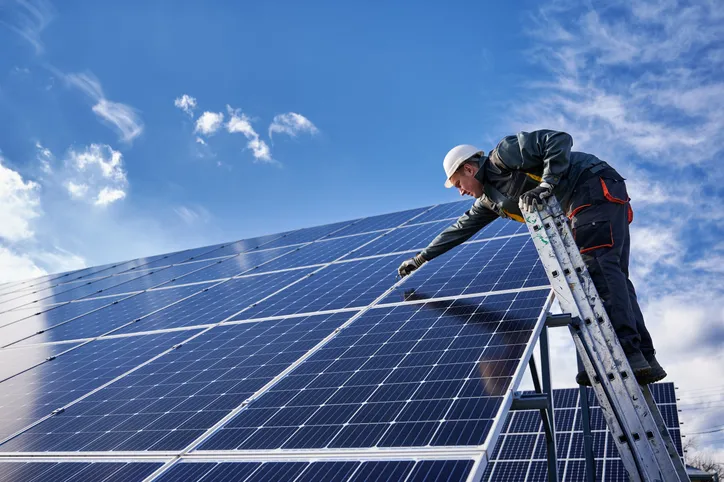
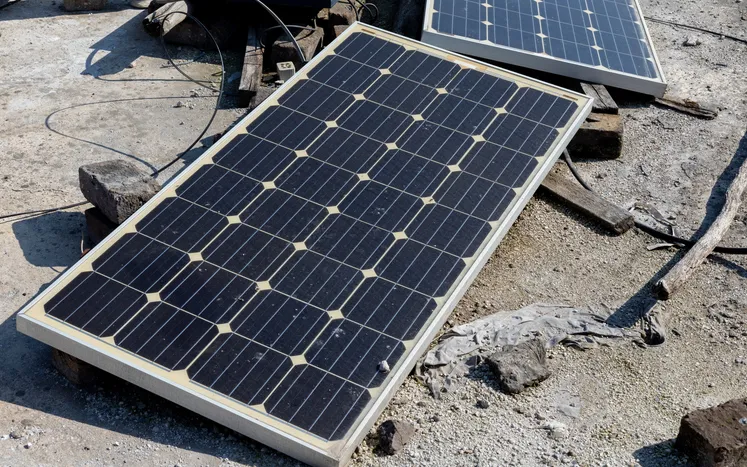
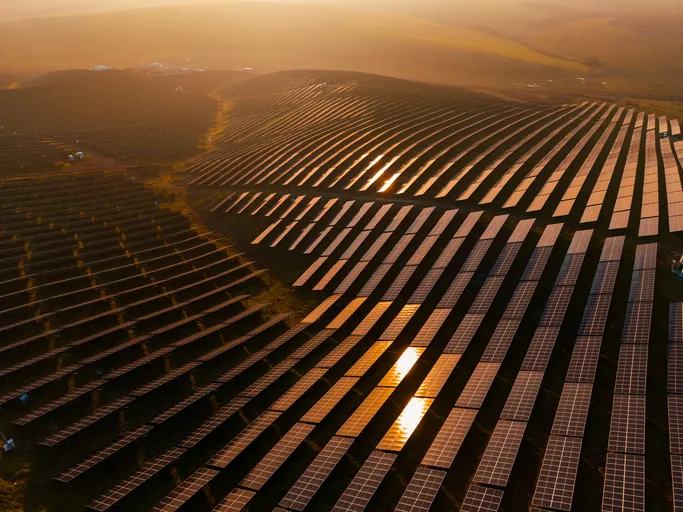
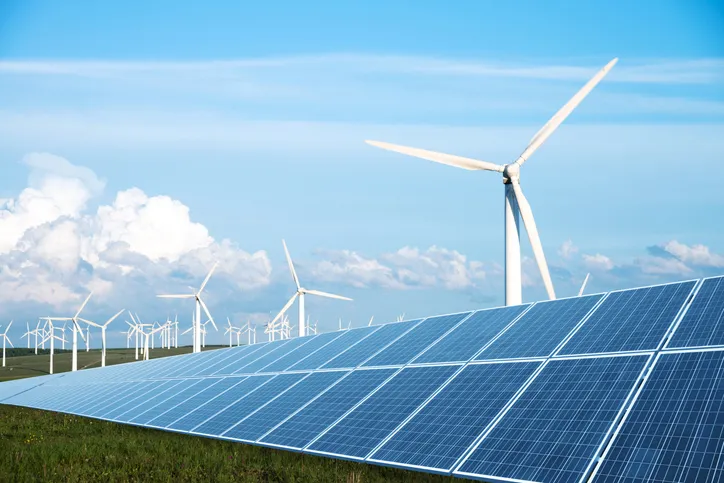
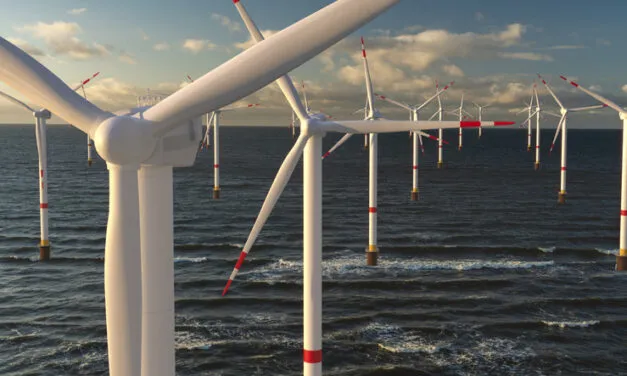
It’s disheartening that the wealthiest governments have chosen electricity generation “winners,” i.e., wind and solar, to generate electricity, paid with taxpayer funds, to support government mandates and subsidies. Those government leaders who cling to “green” policies, cannot explain how wind turbines will make the more than 6,000 products in our daily lives that did not exist before the 1900s, and the fuels to move the heavy-weight and long-range needs of more than 50,000 jets moving people and products, and more than 50,000 merchant ships for global trade flows, and military and space programs.
These same political leaders in the wealthiest nations are oblivious to the fact that “net zero” is unaffordable for the six billion living in poverty! These actions may be unethical to poverty populations of Africa and Asia and an insult to the taxpayers in those wealthy countries who are funding “green” electricity generation from wind and solar.
One of the main causes of the world population growing from one to eight billion was the products made from oil that support today’s infrastructures, worldwide economy, and materialistic society that are dependent on fossil fuel-based products, the same products that cannot be made by wind turbines and solar panels although renewable electricity is useful in places without electrical infrastructure for power lines.
Venezuela’s capacity to finance net-zero goals, as well as the other six billion living in poverty around the world, is minimal due to the severe economic and humanitarian crisis dominated in poverty-stricken nations. The financing is expected to come primarily from international sources, multinational development banks, and private foreign investment, rather than the domestic government or population.
Net zero ideologists’ dreams are unrealistic and promote taxpayer subsidies that are “financially supporting” countries like China and countries in Africa, which lack sufficient labor laws and environmental regulations, and commit human atrocities.
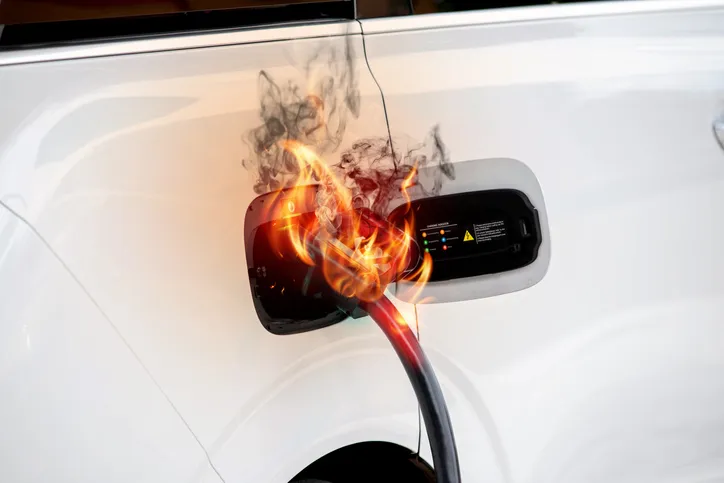
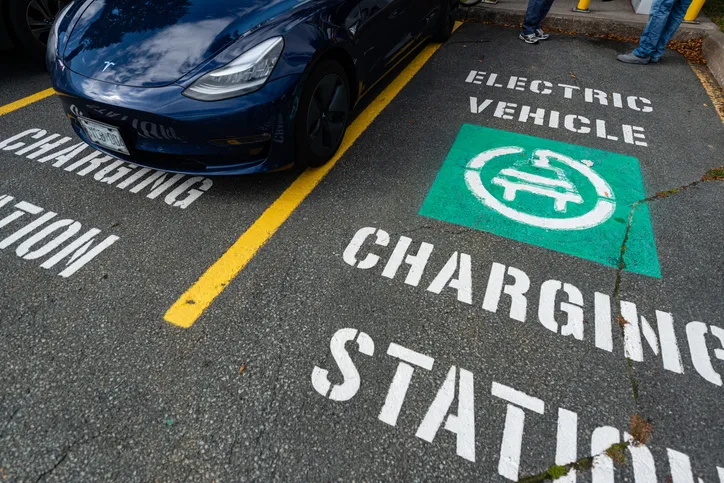
The environmental degradation in those developing countries, for the exotic minerals and metals to make EV batteries, must be recognized.
- Inside the Congo, cobalt mines exploit children. The Pulitzer Prize-nominated book, Clean Energy Exploitations, describes the human atrocities among folks in poverty so that the wealthy countries can go green.
- The costs associated with installing wind turbines and solar panels are heavily dependent on the materials to build those renewables, which often come from those working in poverty in China and Africa.
The effect of longer lifespans will be debated by pundits and future historians for decades to come. The world population has increased dramatically after the introduction of fossil fuels and has become dependent on those same fossil fuels to feed the world by transporting food and products worldwide to feed those eight billion on this increasingly resource-stretched and crowded planet.
With “affordability” being the hottest political subject for upcoming elections, can the few in the wealthier countries continue to support the goals of net zero upon the other six billion living in poverty?
Ronald Stein, P.E.is an internationally published columnist and energy consultant, and a policy advisor for The Heartland Institute.