




By Kristen Walker, American Consumer Institute
Exclusive to The Economic Standard...
Tech companies that have historically criticized building new fossil fuel infrastructure, while pouring billions into renewables, have been changing their tune. Some have softened their stance on climate agendas; others are announcing plans to build new gas plants. The artificial intelligence (AI) boom that requires a more dynamic energy landscape is driving the reversal.
AI depends on data centers to house the computing infrastructure. And data centers require continuous energy in large quantities to function, which most certainly can’t be supplied by so-called green energy sources like wind and solar.
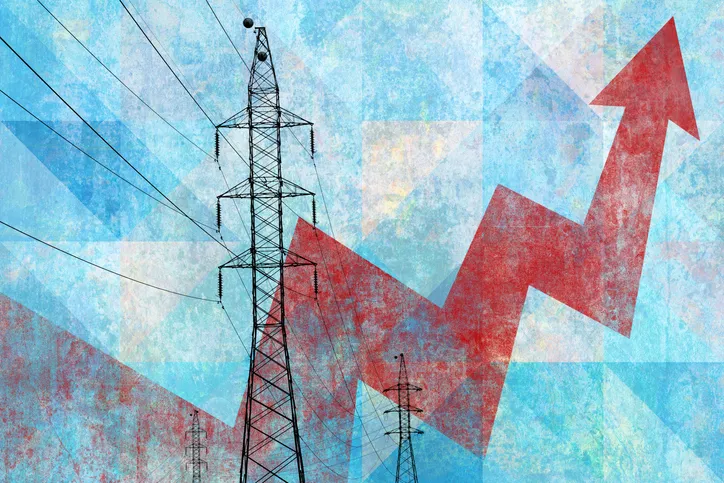
Energy forecasts are daunting: U.S. electricity demand is expected to grow 25 percent by 2030 and 78 percent by 2050 from 2023 levels. This is largely due to data center growth.
The roughly 5,400 centers in operation use more than four percent of the country’s total electricity consumption; each one uses the equivalent of 100,000 homes. For context, there were only1,000 centers in 2018. By 2021, that number more than doubled to 2,600. Four years later, it more than doubled again.
In the year 2030, the increase in data centers’ electricity use will represent up to 12 percent of total electricity usage. As AI demand continues to explode so will energy needs.
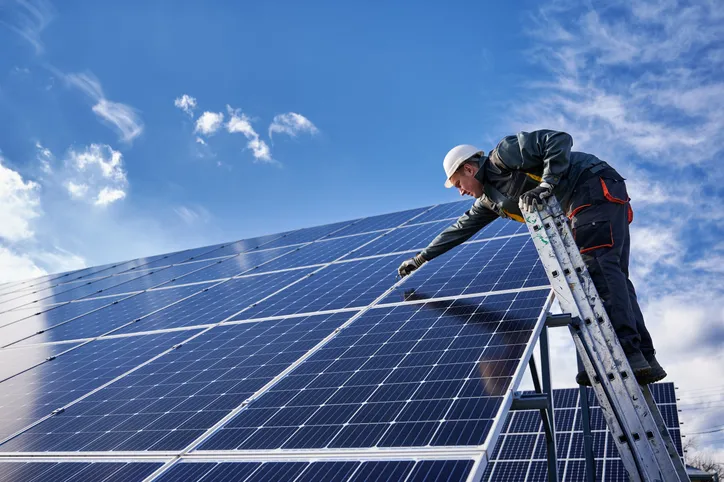
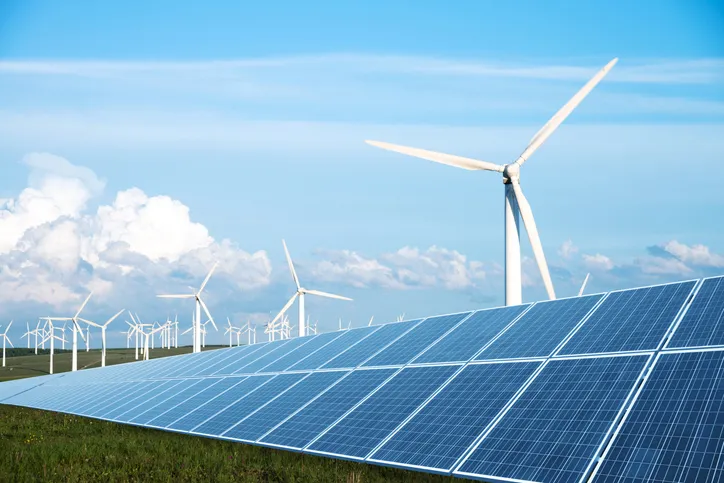
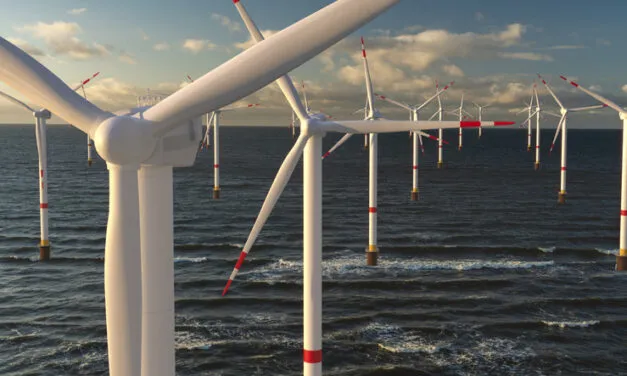
Not all energy generation is created equal. Anything used to power data centers needs to run 24 hours a day, seven days a week. Energy sources pushed by climate alarmists, like wind and solar, are the least reliable of all major energy forms due to their intermittent and weather-dependent nature.
Microsoft, for instance, is set to embark on an “ambitious expansion” by doubling their data center footprint in the next two years. They can’t afford missteps. Amid recent global outages, they need secure footing and power that works.
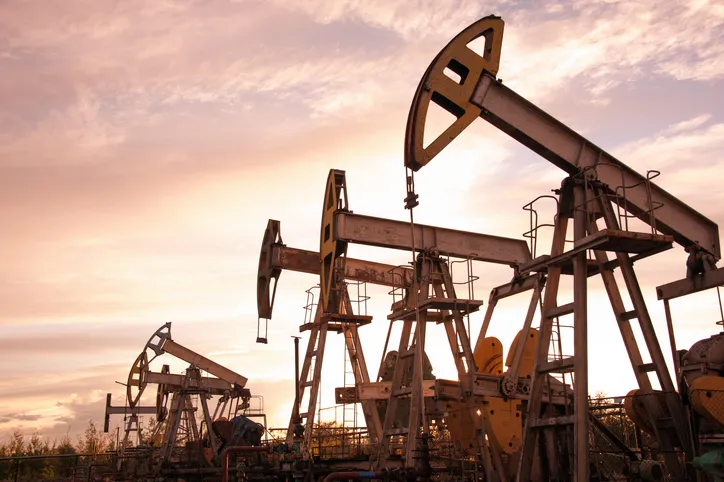
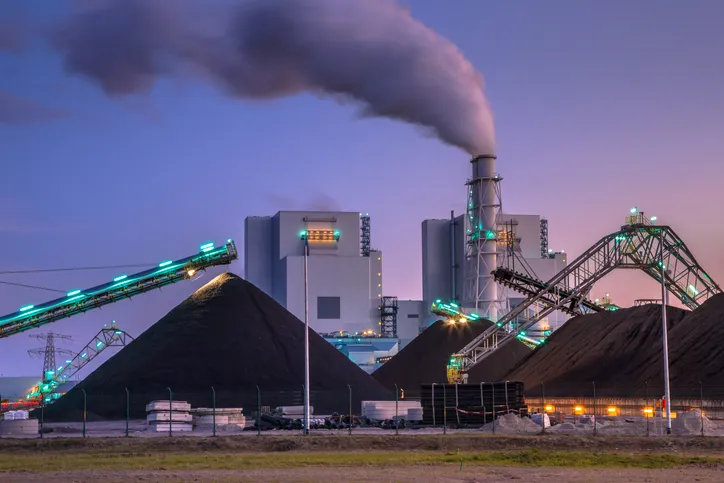
Natural gas and coal are significant contributors to electricity generation. For data centers, they are vital.
Fossil fuels currently generate 55 percent of the electricity for data centers, with natural gas and coal at 40 and 15 percent, respectively. Wind and solar only constitute 24 percent. Renewables will never be able to fully power data centers since the more wind and solar added to a system the less reliable they become. They are not a viable solution.
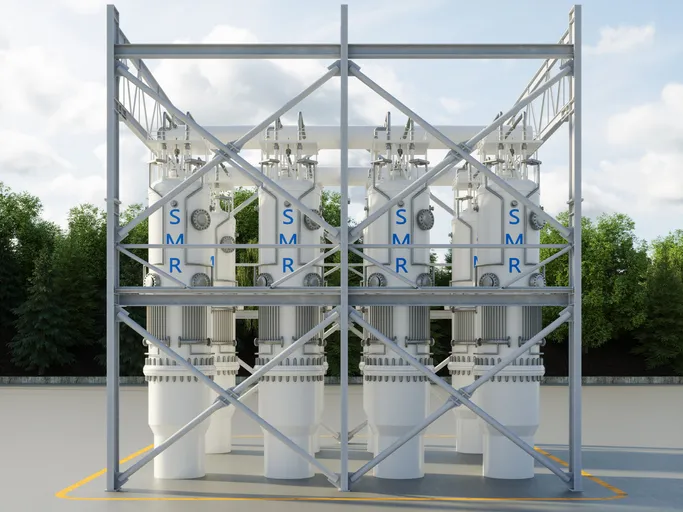
Big Tech hopes to harness nuclear energy for their data center needs. Its unmatched reliability and carbon-free emissions make it a superb choice. But the complicated and lengthy buildingprocess puts nuclear out of reach for the immediate future. Data centers need energy now.
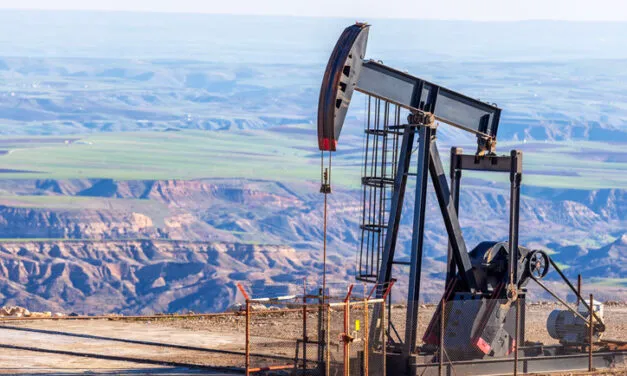
Natural gas plants can be brought online faster than new nuclear plants or large-scale renewable projects with storage, offering the reliability and scalability needed for immediate demand. The reality is, we cannot live and thrive in a world without fossil fuels.
The accelerated data center production has resulted in an emissions upsurge. But innovation and market-based solutions have and will continue to streamline and curb emissions. We cannot sacrifice prosperity at the hands of inadequate and subpar energy programs. We must put pragmatism ahead of climate frenzy.
Since the U.S. must win the AI race, fossil fuels must be part of the equation. Luckily, trends are leaning in that direction.
U.S. power developers have doubled natural gas capacity under construction or pre-construction from last year, currently at just over 114,000 megawatts (MW). Gas plants are the single largest power source among all planned capacity additions to come online. The overall U.S. power system will continue to receive the bulk of its capacity from natural gas at 44 percent, more than twice any other power source. Meanwhile, renewable energy capacity being built has dropped from 186,000 MW down to 155,000 MW.
Predicting for years that fossil fuels would peak by the end of this decade, the International Energy Agency now believes demand will grow by 13 percent by 2050. Certainly, the shift can partly be attributed to data center growth and demand.
Fossil fuels, particularly natural gas, are not going anywhere anytime soon. The tech world needs it.
Kristen Walker is the energy policy analyst for the American Consumer Institute, a nonprofit education and research organization. For more information about the Institute, visitwww.theamericanconsumer.org or follow on X @ConsumerPal.