



By Kristen Walker, American Consumer Institute
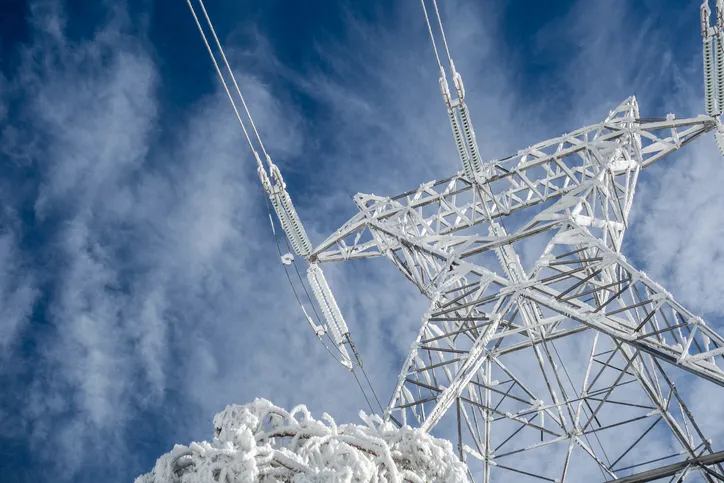
The ice has mostly melted from Winter Storm Fern, but not before putting America’s electric grid to the test. Coal, natural gas, and nuclear stand out as the clear winners, keeping homes heated and lights on. Wind, solar, and battery storage fell flat, failing to generate power when needed. Let this be a lesson to lawmakers and elected officials: Energy sources matter, and policy should prioritize those that prove steady and resilient no matter what Mother Nature throws their way.
In the midst of the storm, coal use surged 31 percent from the previous week and accounted for 21 percent of all electricity generation during Fern. The Midcontinent Independent System Operator (MISO) grid relied on coal for 40 percent of its electricity; Pennsylvania, New Jersey, Maryland Interconnection (PJM) utilized it for 24 percent. Coal rose from a mid-January low of around 70 GWh/day to about 130 GWh/day.
Coal’s distinct advantages repeatedly prove its indispensability during severe weather events. Maintaining on-site fuel inventories eliminates pipeline dependency and units can increase output within hours. Coal withstands extreme temperatures and runs continuously at high-capacity factors while its costs remain relatively stable.
The U.S. Energy Information Administration confirmed, “Grid operators can call upon the coal fleet to increase electricity generation in extreme weather events and other times when demand surges or output falls from other generation sources.”
Natural gas supplied 40 percent of electricity overall; in Texas, it comprised nearly 70 percent. While gas remains a solid and often preferable energy option, frigid temperatures make it susceptible to reduced production due to equipment freeze-offs and shut-ins. Because of deliverability issues, natural gas output indeed dropped roughly 10 percent during Fern.
With extreme cold blanketing a massive portion of the U.S., natural gas experienced the largestweekly net withdrawal in history. The surge in demand coupled with production shortfalls forced natural gas storage, which is filled in warmer periods, to make up the difference.
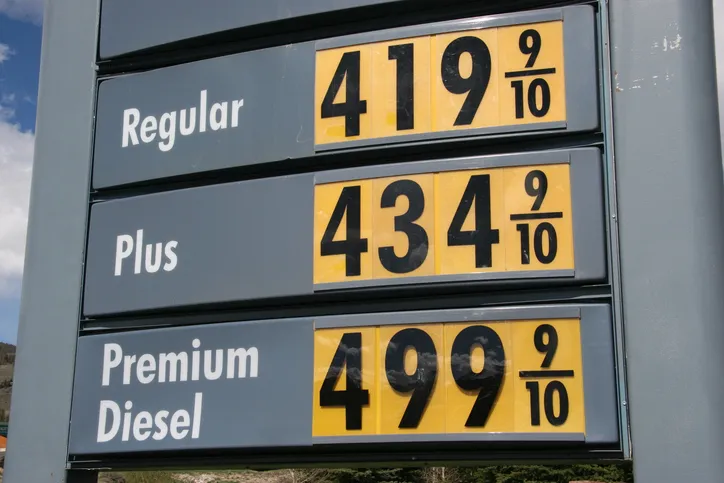
Tightened inventories pushed gas prices to all-time highs for New England, forcing a switch to oil-fired units. The lack of underground gas storage and pipeline capacity make this region uniquely vulnerable to shortages and price spikes; gas plants will fuel-switch to manage extreme conditions. Petroleum accounted for 35 percent of total output during Fern’s peak.
Nuclear contributed a steady 18 percent in regions where plants are available. Resilient to harsh conditions and less prone to freezing issues, nuclear energy provides continuous baseload power wherever implemented. Its consistent output acts as a stable backbone for grid stability.
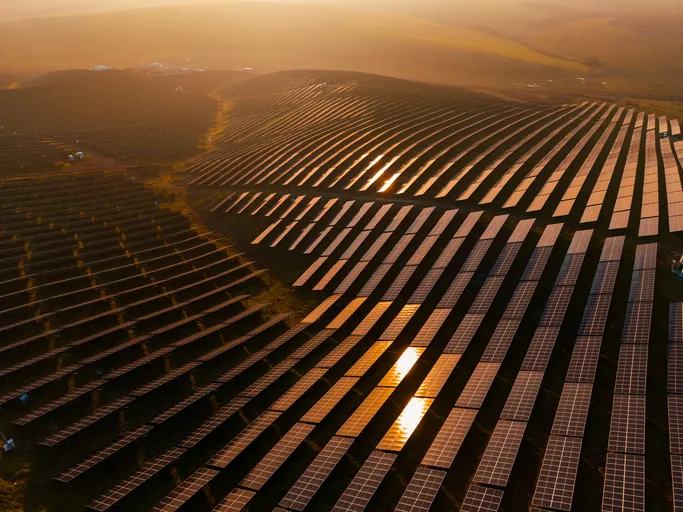
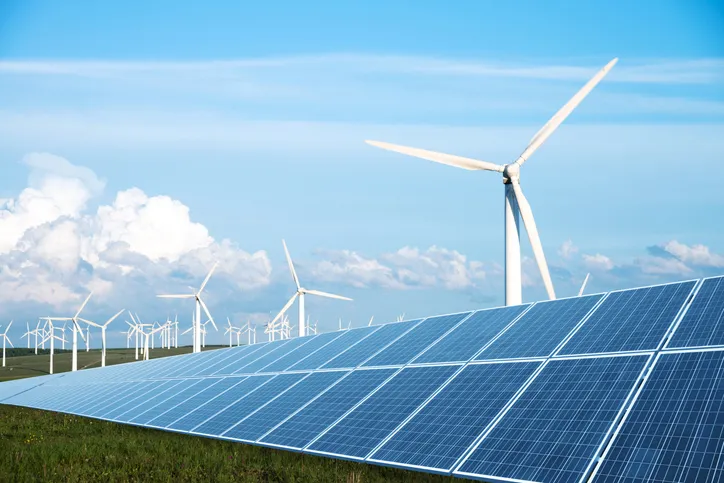
At peak demand, coal, natural gas, oil, and nuclear collectively supplied close to 90 percent of the power to the 250 million Americans impacted by Fern. Renewables, on the other hand, fell short. Wind and solar comprised eight and two percent, respectively, demonstrating low productivity when needed most.
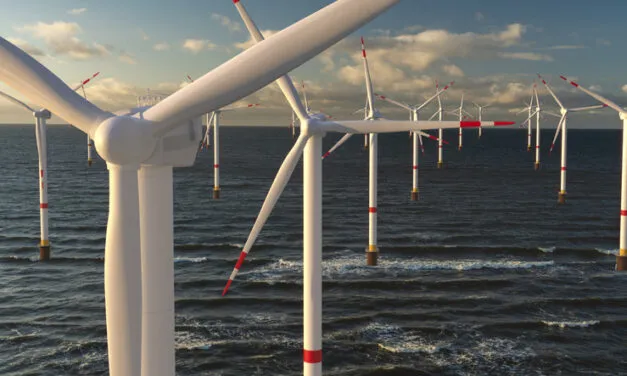
Limited daylight hours, extensive cloud cover, and snow and ice accumulation render wind turbines and solar panels nearly inoperable. MISO perhaps saw the worst wind performance, where the fleet’s capacity factors plummeted from 60 to 7 percent in a matter of hours. PJM’s combined wind and solar supplies never made it past 10 percent on Fern’s harshest days.
The Department of Energy (DOE) pointed to major differences in energy demand between peak generation during Fern and the exact same time the year prior: Coal, natural gas, and oil all increased generation by 25 percent, 47 percent, and 1,953 percent respectively. Wind decreased by 40 percent.
Multiple emergency orders were issued the week leading up to Fern to keep reliable power online, waive emission rules, and secure the grid. While one million people lost power during Fern, most instances resulted from downed trees and snapped power lines. DOE’s decisive actions helped mitigate potential disasters.
Fern’s jury is back and the verdict is in: Thermal dispatchable generation (gas, coal, nuke) are the reliable energy sources desperately needed to power communities, especially when grids are put to the test.
Grid realities were exposed by Fern and policymakers should take note. Essential baseload power simply cannot be replaced. Natural gas, coal, and nuclear energy are the superior and undefeated winners for steady and dependable electricity generation. And with a grid under duress, there are no points for second best. Reliable power is a matter of life and death.
The nation faces worsening grid reliability, spurred by growing power demands and a failure to build and maintain the generation critical to keeping homes and businesses operational. The electric grid is not a political tool to experiment with inferior sources. Renewables can complement thermal but cannot be a substitute.
Energy policy must prioritize sources with a proven track record of grit and durability.
Kristen Walker is Senior Policy Analyst and Manager for Energy and Transportation with the American Consumer Institute, a nonprofit education and research organization. For more information about the Institute, visit www.theamericanconsumer.org or follow on X @ConsumerPal.