





By Daniel Sutter, Heartland Instiute
President Trump takes Americans’ affordability concerns seriously. He recently capped credit card interest rates at 10 percent. Unfortunately, price controls address symptoms and not causes of affordability.
The President’s legal authority to limit interest rates is unclear. My discussion presumes that the cap takes effect.
People do not like high prices for things we buy. Asking government to address this is natural, but laws do not always achieve their goals. Government price controls have yielded consistently dismal results for centuries by failing to address costs or competition and disregarding the voluntary nature of market transactions.
The goods and services must be produced using scarce resources, including people’s labor. Because transactions are voluntary, people must be compensated for working or producing and businesses must cover their full costs to continue producing.
In a credit card purchase, the issuer pays the seller for the item and latter collects from the card holder. A credit card is a line of credit, whereas debit cards transfer money from a bank account. Credit cards are amazing, allowing holders to obtain goods by providing a 16-digit number, even halfway around the world.
Banks and Visa or Mastercard combine to operate credit cards. (Discover and American Express do both these roles). The issuers process the transaction, provide money while waiting payment, and bear the risks of nonpayment or fraudulent purchase. Card issuers charge “swipe” fees to merchants, annual and late fees to card holders, and interest on balances.
Swipe fees run 1.5 to 3.5 percent of sales value. Whether sellers “absorb” these fees without charging extra or tack on an extra charge, businesses must cover swipe fees.
Banks collected $105 billion in interest payments, $10 billion in annual fees, and $15 billion in late fees and penalties in 2022 according to the Consumer Financial Protection Bureau. Banks wrote off $46 billion of the $1.2 trillion of credit card debt in the first nine months of 2025.
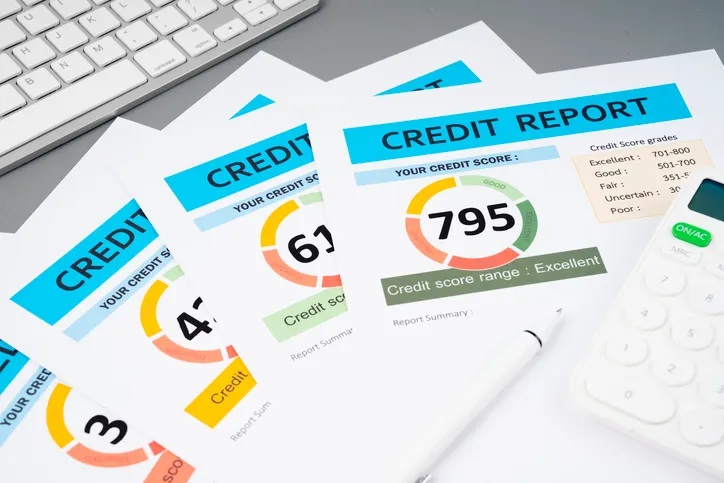
Interest rates currently average around 23 percent annually, which exceeds the prime rate banks charge their best commercial customers by 14 percentage points. This is to be expected given the risk of late or partial repayment and default. Higher default risk borrowers must pay a higher interest rate, if allowed to borrow at all. Is the spread too large? Perhaps, since the spread was only 10 percentage points in 2013. The estimated return on assets invested in credit cards is 5.9 percent annually (after inflation), which is healthy but hardly extravagant.
Economists do not normally compare prices to costs. Rather, we focus on whether a market is sufficiently competitive to keep prices in line with costs.
More competitors and the ability of new firms to enter a market increase competition. Plenty of banks issue credit cards but the number of payment processors is relatively small. High processing rates helped drive the creation of PayPal and even Bitcoin. PayPal’s emergence demonstrates the potential for entry here.
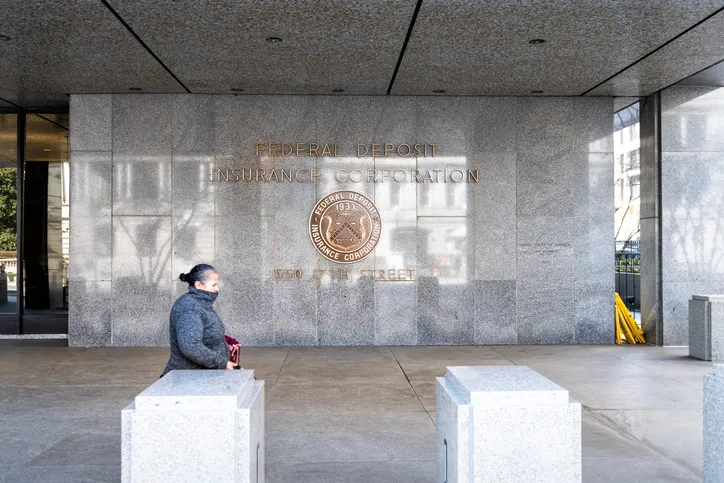
Government regulation also affects competition and offers the best way to keep prices high. The Federal Reserve, the FDIC, and the Comptroller of the Currency all regulate banks’ financial health. Conceivably, banks could persuade regulators that lower credit card interest rates would threaten insolvency.
Competition does not occur automatically but only when managers cut prices or enter new markets. We need business leaders willing to rock the boat, but regulation can certainly chill boat rockers.
What does this all mean for President Trump’s interest rate cap? If current rates reflect real costs, a cap prevents card issuers from covering their costs and should lead to banks issuing fewer cards. If costs reflect a lack of competition, the cap will not dramatically impact service.
The price cap, however, does not reduce costs or barriers to competition.
The Trump administration’s aggressive slashing of burdensome regulations is helping reduce costs and increase competition. But are regulators chilling competition in other ways?
President Trump, the ultimate boat rocker, should convene a whole-of-government review to examine if regulators are shackling competition. Freeing entrepreneurs to cut prices and lower costs offers the best path to genuine affordability.
Daniel Sutter is Affiliated Senior Scholar at the Mercatus Center and Professor of Economics at the Manuel H. Johnson Center for Political Economy at Troy University.