




By Holly Smith, Americans for Liberty and Security
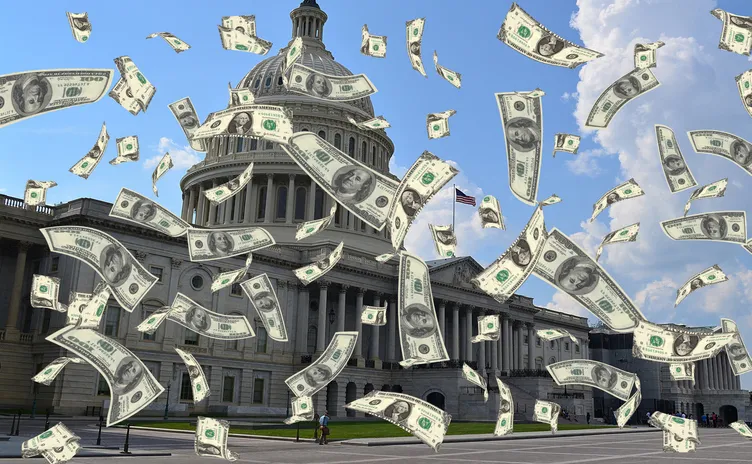
“Do your homework!” I say that a lot as a mom of six school-aged kids, but it is not something that we should have to tell our elected officials in Washington. Unfortunately, it appears that some in Congress have failed to heed this advice when it comes to basic economics and a proposed rate cap on credit cards.
With a larger than average family and a child with complex medical issues, cost of living increases and out-of-control medical expenses in my household have been managed with the help of credit cards. That’s why I am concerned that if a policy to institute a 10% cap credit card interest rates – originally championed by Senators Elizabeth Warren (D-MA) and Bernie Sanders (I-VT) – is passed, American families will fall farther behind. It will do what government interference in the economy always does: produce unintended negative consequences. A cap on interest rates will reduce access to credit for those in greater financial need or force them to borrow from untraditional sources, and it disincentivizes good behavior for borrowers.
On CNBC, Senator Warren professed, “My job is to do everything I can to lower the costs for American families.” A laudable goal, if only she knew how. When challenged that interest rate caps would tighten the credit market, she admitted, “I want to take a look at [the Wharton School of Business’s] numbers,” before pivoting to “let’s talk about the big picture.” I don’t understand how she hasn’t already looked at the numbers given that capping interest rates has been her mission for years.
I’m not an economist, but I do have over 20 years of experience in home economics. First, an easy hypothetical, if you were a landlord, would you rent your house at a loss? Obviously not. What credit cards and banks are doing is renting their money. They will not do it for a loss.
But how could a loan at 10% interest be a loss?
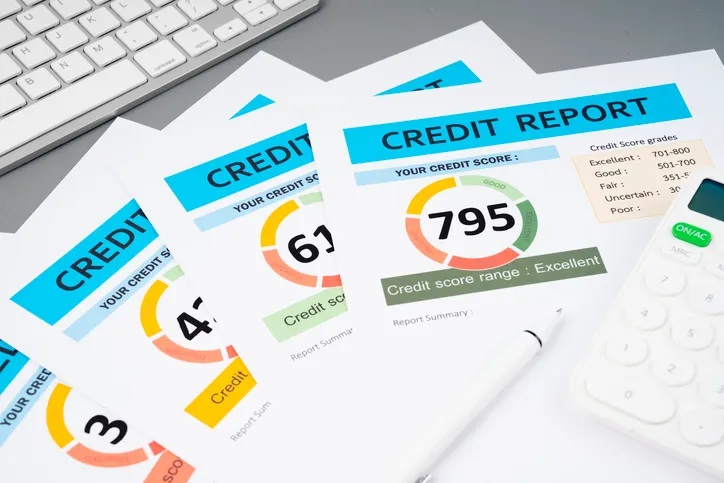
Credit cards are “unsecured risks.” There is no collateral like a house on a mortgage or a car on an auto loan. Every credit card issuer undertakes a measure of risk with each line of credit they issue. People with great credit scores (725-800), are able to secure lower interest rate credit cards because they have demonstrated they are a “safe bet” for lenders. However, riskier applicants with subprime credit are more of a gamble for a lender.
Ten percent divided by 12 monthly payments is less than 1% interest rate each month, .083% to be precise. When we hear about the crazy 24%-36% interest rates, those are in actuality 2%-3% per month, which is simply risk management. Take away the ability to price that risk appropriately and as U.S. House Speaker Mike Johnson noted in his opposition to the interest rate cap, “the credit card companies would just stop lending money.”
My money is in a bank, and they are lending it as credit, so I prefer they make safe bets with the money stored in my checking and savings accounts. Bad lending decisions writ large paint a very dangerous “big picture” for middle class families without a financial safety net if banks fail.
Some will point out that Pennsylvania and other states do have 36% interest rate caps in effect. Colorado just passed a similar law and Oregon is considering one. However, this is not serving the interests of the consumers the laws purport to protect.
Say, for instance, your savings are drained and you need to replace the brakes or the tires on your vehicle—something that shouldn’t wait, especially in winter. These days, this might cost you $1000 to $1200, so you borrow that money on a new line of credit and intend to pay it back in the next 2-3 pay periods. But if interest rate caps are instituted, such emergency funds may not be available as they would make such small flexible loans economically impossible. In many cases, the only credit that remains available would be a much larger personal loan or line of credit than the family actually needs — forcing them to borrow more than necessary simply to access any credit at all.
The bottom line is, government interference in the economy may have laudable goals, but accomplishes none of them. The credit reform America needs is personal accountability, financial literacy, and hard work. Washington should focus on reducing its own debt and continue the economic recovery and reduced inflation that President Trump’s policies have ignited. As a mother in a large household I know because that’s how we handle our debt.
Holly Smith is a fellow with Americans for Liberty and Security