




By Ryan Young, Competitive Enterprise Institute (CEI)
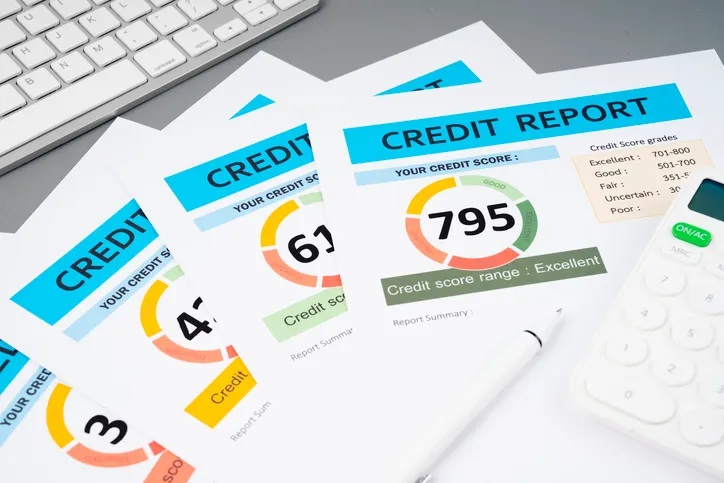
President Trump, in a Friday news dump on social media, proposed price controls on credit card interest rates. He wants to cap annual rates at 10 percent, effective January 20. Sen. Roger Marshall (R-KS) posted that there will be congressional legislation to implement these price controls.
Their goals are to make credit more affordable and to keep people from getting into what they see as harmful debt. If Trump and Marshall really believe that price controls will work as they intend, then they are failing to heed Thomas Sowell’s advice about thinking beyond stage one.
Policy reform is not a one-stage process. Politicians cannot solve a problem by simply passing a bill. Credit card price controls will not magically make credit more affordable for the poor. Price controls have unintended, but not unforeseeable consequences.
The trouble is that these only become visible if you think ahead to how people will behave in subsequent stages. This is difficult to do in social media posts made by and for the lowest common denominator.
One of those unintended consequences is that banks will reduce or eliminate credit offerings to borrowers who are too risky to justify a 10 percent annual interest rate. Wealthy people will do just fine, as will people with an established credit history. Poorer people and younger people will, in many cases, suddenly be unable to get credit from banks.
But they still have bills to pay, and won’t always have cash on hand to pay them. If they cannot turn to banks, they will instead turn to payday lenders that often charge higher interest rates than banks. The result of price-lowering legislation would in fact raise prices for the people least able to pay them. That’s easy to foresee, but only if one takes the time to think beyond stage one.
Another unintended consequence is that credit card price controls will make it harder for people to start businesses. We’ve all heard stories about billion-dollar businesses that started out with little more than an idea and some maxed-out credit cards to fund the early days.
Even small businesses that stay small often turn to credit cards as an easy way to access credit in a pinch, especially when banks will not give them loans at lower interest rates. For many small businesses, having access to credit is a life-or-death issue.
These success stories will become far less common if cash-strapped, risk-taking entrepreneurs – who already struggle to get loans – cannot even get credit cards.
Price controls also encourage black markets. If banks are unavailable and payday lenders charge too much interest, some people may turn instead to loan sharks and other shady characters.
If these deals go bad, the victims risk financial and sometimes physical harm. They are also often unable to go to the police and are certainly unable to appeal to regulators for help. Again, this is easy to foresee by thinking beyond stage one.
Price controls do not make things more affordable. Like pressing down on a balloon, price controls don’t eliminate pressure; they merely redirect it elsewhere.
Affordability is, for most people, the most important political issue; James Carvillewas right. It is good that Congress and President Trump are interested in increasing affordability, but if they are interested in reforms that work, they should consult CEI’s most recent Agenda for Congress. Its ideas think well beyond stage one.
Ryan Young is Senior Economist and Director of Publications at the Competitive Enterprise Institute (CEI).