




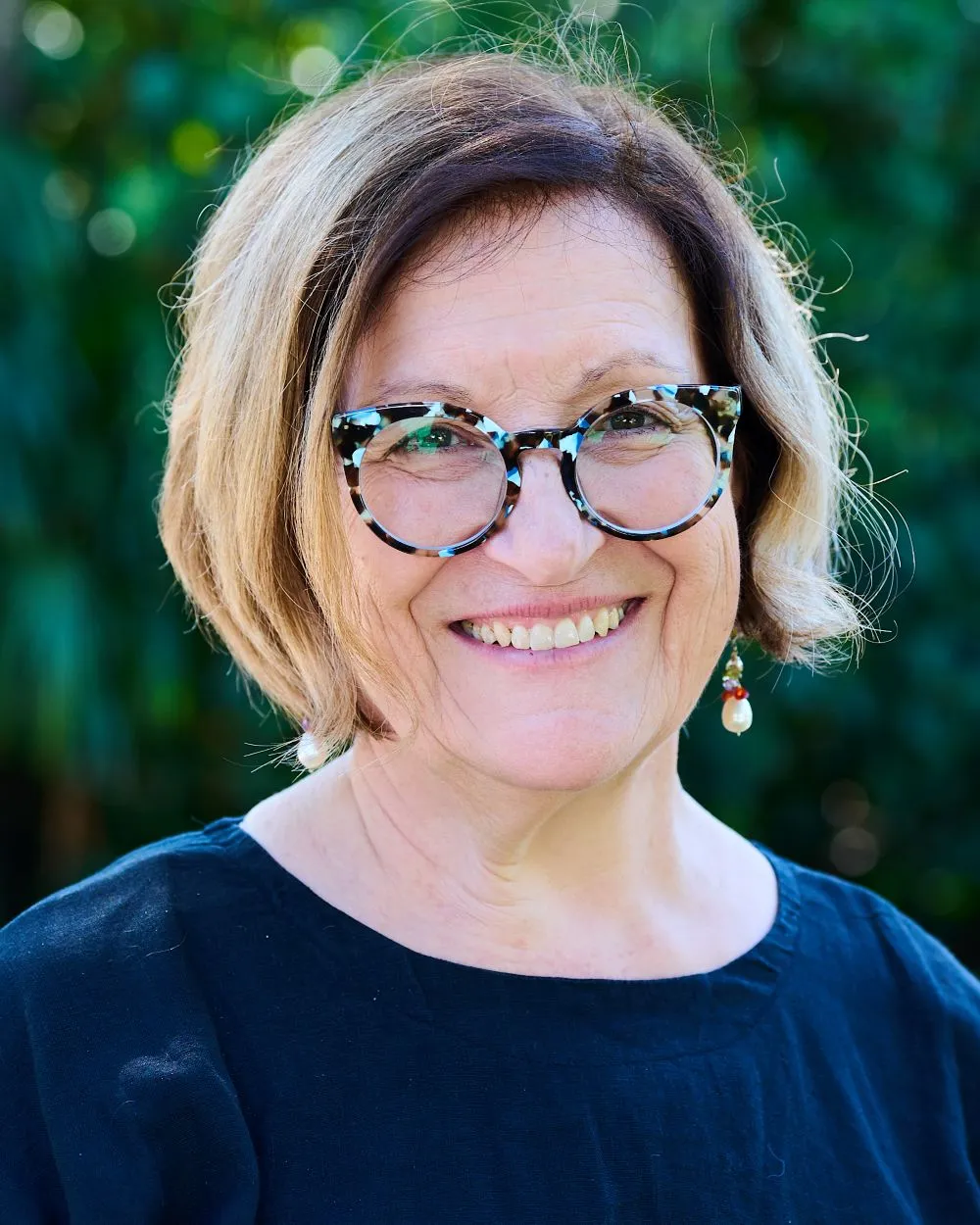
By Louise Jacobsen Fisher
When my husband Allan and I faced his Alzheimer’s diagnosis, we were determined to stay hopeful. It was not easy. But early detection opened doors we never thought possible, helping us find hope amid uncertainty.
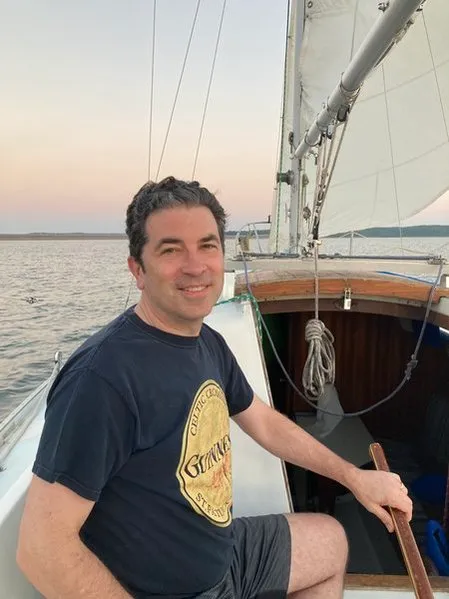
I shared our story on Friday in a Tampa Bay Times op-ed, “Why we should stop treating Alzheimer’s as an inevitable surprise”. As vulnerable as it can be to talk about publicly, Allan’s background in public health makes his story especially meaningful. He contributed by joining clinical trials and demonstrating how early intervention can change lives. When he became the patient, he still wanted to help others who might walk the same path.
Below are a few of the passages that I hope will help families break the silence around these topics, and understand what early detection makes possible:
On finding hope after diagnosis:
“After the shock faded, something unexpected happened. Allan, whose career was in public health, began to see our situation differently. He did not deny the reality of the diagnosis. Instead, he asked a different question: What does it make possible?”
How Allan contributed, for our benefit and for the wider community:
Early diagnosis did not save my husband. But it gave him time. It gave our family memories that would not otherwise exist. And it allowed Allan to contribute something larger than himself: Data that will shape future treatments and, eventually, prevention.
What treatment made possible for him and for us:
For 18 months, Allan participated in a clinical trial. The treatment did not reverse the disease. He did not regain the cognitive skills required for his former work as a statistician. But the decline that had once felt relentless slowed. He experienced no complications. Clinicians believed he was responding well, and our family saw it too.
During those months, Allan remained engaged in daily life. He followed the news. He continued his exercise routine. Most importantly, he had time — with us.
On overcoming fear, and what this experience taught us:
Too often, discussions of Alzheimer’s focus exclusively on fear. Fear of knowing. Fear of what a diagnosis might mean. But delaying diagnosis does not delay the disease. It only delays care, planning, and opportunity.
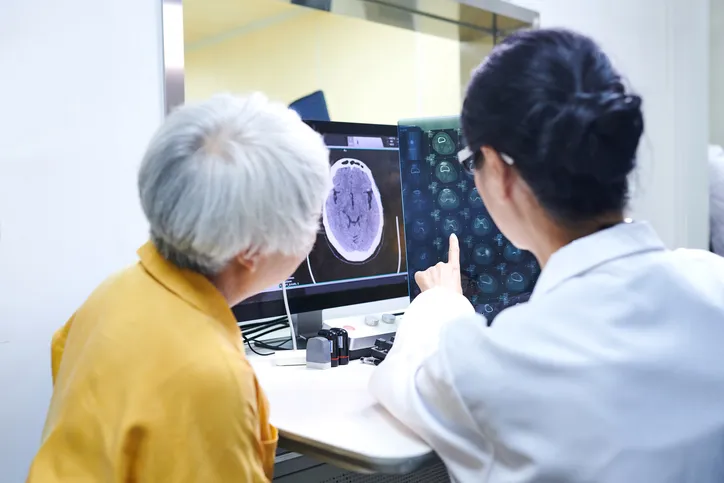
When people talk to their doctors early about memory or thinking changes, they gain access to more than medication. They gain the chance to address other conditions that worsen cognitive decline. They gain access to lifestyle and cognitive interventions that work best early. And they gain the option to participate in research that is actively changing what Alzheimer’s looks like.
Early diagnosis is not about surrender. It is about agency.
What I hope to convey is the urgent need for more awareness and earlier diagnoses, so families like ours can have more time together. Everyday moments like meeting a new grandchild or celebrating a birthday, became invaluable.
Our story isn’t just about Alzheimer’s. It’s about cherishing life, maximizing our time, and recognizing those like Allan whose work continues to make a difference.
You can read my piece in the Tampa Bay Times here.
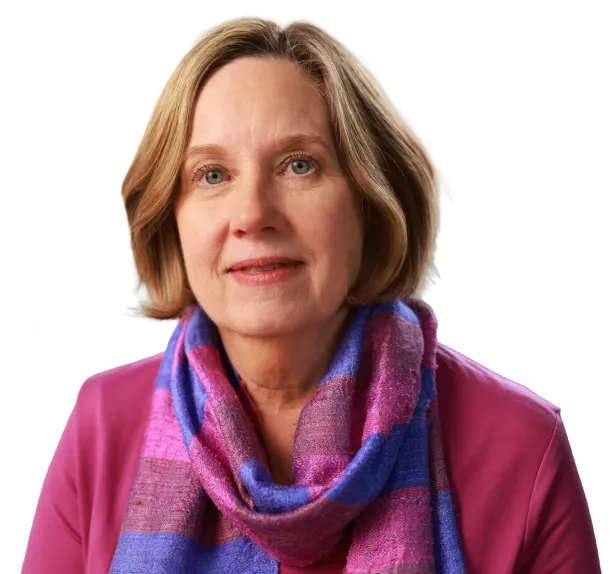
Louise Jacobsen Fisher, a Florida resident, cares for her husband Allan, who is living with Alzheimer’s disease.