




This post comes from the Solving Alzheimer's Substack. Subscribe here.
By Phil Coticelli, Executive Director of the Alzheimer’s Policy Working Group
Insights from the field shed light on solving Alzheimer's disease
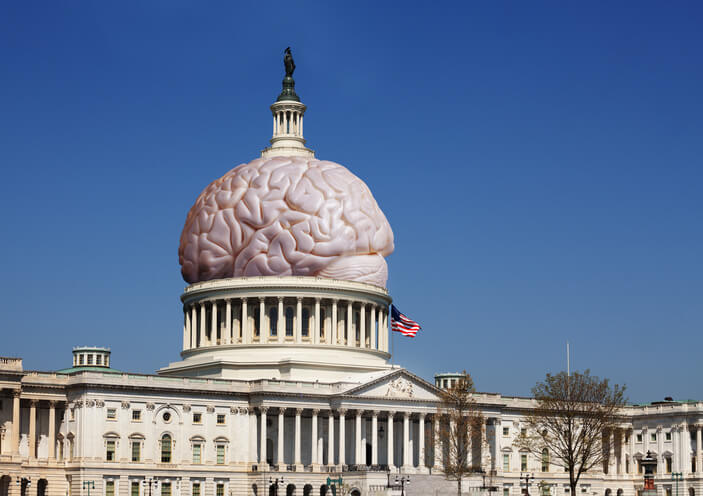
There is a wall running through the middle of healthcare
On one side of the wall, the most important ideas are profoundly simple: eat real food, stay active, touch grass, build community, think freely. This is how you can avoid disease and live a healthier life. And this is how we as a society can move from a system of sick care to prevention.
On the other side of the wall is the established order of medicine, defined by careful study and patient care, peer-reviewed science, randomized controlled trials, incremental innovation. This is the engine that has powered countless medical discoveries to ease suffering throughout the world.
This wall is blocking progress on Alzheimer’s disease
Alzheimer’s is not merely a matter of organ failure with a mechanical fix. It is a complex problem, the dissolution of memory and meaning fueled as much by a broken system as misfolded proteins. Solving it demands creative new thinking that can generate insights on prevention and treatment while finding flexibility in the system to swiftly move them into practice. We need the best every one of us has to give—and we need it now.
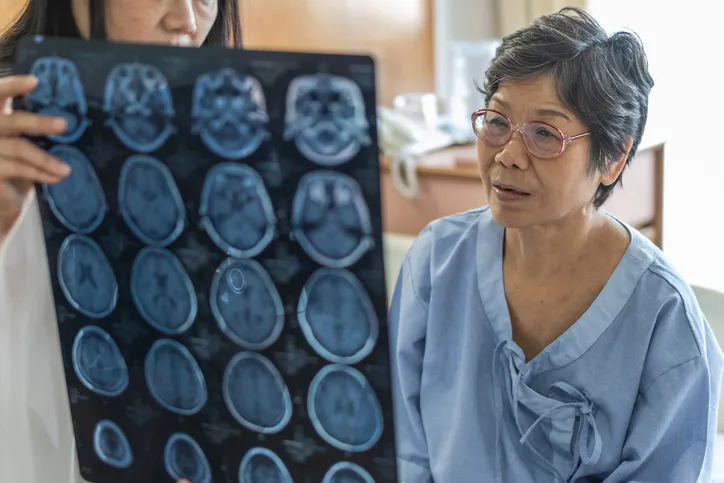
America’s population is rapidly aging, and there are not enough adequately trained clinicians to meet the demand. More than one in five people over age 65 are already living with undiagnosed mild cognitive impairment, which is commonly caused by early-stage Alzheimer’s disease and a precursor to dementia.
Clinicians are diagnosing younger patients as well—people in their 50s and even 40s who are still in the workforce, sometimes with children at home, and too young to qualify for Medicare.
We can bridge the wall by focusing on early diagnosis
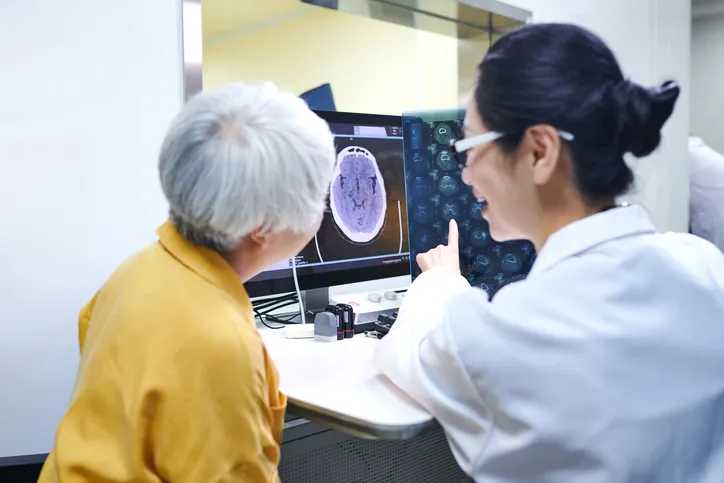
The sooner you catch the disease, the longer you can stay in control of your life. So many people at this moment are quietly enduring the loss of memory and cognitive ability. They are afraid and don’t know what to do. If you are one of these people, take comfort. There are new tools and technologies proven to help. We are learning more every day about interventions that can preserve brain health. And we are seeing more stories about people like my friend Brent Beasley and Sandy Schulin who caught the disease early enough for new therapies to make a difference.
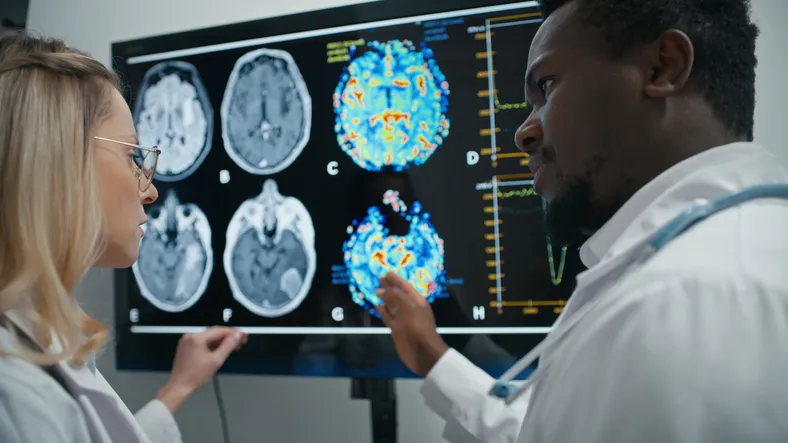
Simple lifestyle changes like walking regularly—around 5,000 steps a day—can reduce the risk of cognitive decline. Researchers have learned of many other modifiable risk factors, from cardiovascular health to hearing loss, that influence dementia risk and can be addressed earlier in life. At the same time, advances in digital cognitive assessments and blood biomarker tests are making earlier diagnosis possible, giving new therapies the chance to slow disease progression. For people diagnosed in the later stages of Alzheimer’s, better care models are expanding support for Medicare beneficiaries and their families.
Our challenge is putting these tools and insights into practice as fast as possible, so more people can benefit from early diagnosis and new insights as they emerge—and more families can learn how to preserve brain health and prevent disease.
That’s why we created the Alzheimer’s Policy Working Group
The Alzheimer’s Policy Working Group unites neurologists, primary care clinicians, geriatric specialists, and other frontline experts to identify system gaps and communicate changes in policy and practice. We are a bridge for clinical innovation to shape policy—enabling leaders in medicine and government to scale what works and help more people get the care they urgently need.
In the past 18 months, I’ve spoken with hundreds of leaders working to solve Alzheimer’s across the country: America’s top neurologists, geriatricians, and primary care clinicians, patient advocates, research leaders, government officials, and venture capitalists. Here is what I’ve observed: real progress happens when we turn our attention away from the headlines and toward the frontlines of clinical care.
Our members are doing incredible work across the country to enable early diagnosis and provide better care for patients and families:
In Kansas, primary care clinicians increased diagnostic capacity by 60% without adding neurologists.
In Washington State, a new clinical model more than doubled new diagnoses.
In Indiana, a “brain health navigator” program nearly quadrupled detection of mild cognitive impairment.
We are translating these wins into practical recommendations that will empower health systems and policymakers to implement them at scale—and ensure more patients and families get the care they deserve.
Phil Coticelli is Executive Director of the Alzheimer’s Policy Working Group, a 501(c)(3) organization that unites frontline clinicians from specialty and primary care to craft practical solutions that improve life for patients and families. The programs referenced in Kansas, Washington State, and Indiana are supported in part by grants from the Davos Alzheimer’s Collaborative. Subscribe to the Solving Alzheimer's Substack here.