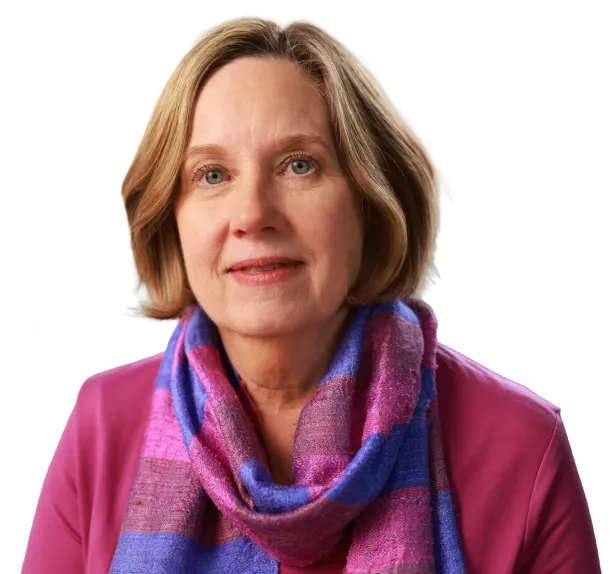






Black Americans face double the risk of developing dementia, and experience systemic barriers to care. By 2030, nearly 40% of Americans living with Alzheimer’s disease will be Black or Latino. In the Chicago Tribune, patient advocate Shon Lowe writes about the push to understand her own Alzheimer’s risk, and why she insisted on seeking help early.
“I knew that dementia ran in both sides of my family and that, as an African American woman, I had a higher risk. I could either avoid the conversation and hope for the best or do something many people in our communities are discouraged from doing: Ask questions early and insist on being taken seriously.”
“At 51, I chose to pursue genetic testing to see if I carried risk factors associated with dementia. When I asked my primary care doctor about APOE-4 genetic testing to understand my risk, his partner told me I was “too young” to worry about brain health. I demanded a referral to a neurologist who would take my concerns seriously.” [...] “I decided to take the APOE-4 test on my own, and it confirmed a genetic link to Alzheimer’s disease.”
“At the same time, my primary care doctor and gynecologist suggested my symptoms — brain fog, fatigue and cognitive changes — were caused by menopause. But I trusted my instincts. My neurologist ordered MRIs and neuropsychological testing, which showed cognitive decline.”
Amyloid buildup in the brain can span decades before symptoms emerge. For this reason, understanding modifiable risk factors is key. Recent efforts like the two-year U.S. POINTER study have demonstrated that a combination of lifestyle interventions like diet, exercise, heart health, brain games, and social engagements can meaningfully protect cognitive function.
“When families talk openly about brain health — around kitchen tables, in churches and in doctors’ offices — we replace fear with preparation. We move from reacting to crises to fighting against decline. Small, everyday choices — how we move, eat, sleep and talk with our doctors — help protect brain health.”
Writing in the DC Journal, Horace Cooper echoes the need for more open conversation in the Black community around brain health and dementia risk:
“We may avoid the topic altogether out of fear of being disrespectful. Talking openly about memory and thinking changes is not disrespectful; it is an act of love. It honors our elders by helping ensure they receive the care and support they deserve. Earlier detection allows the opportunity for care that could slow disease progression and preserve quality of life for longer. That is something we, as a community, must prioritize.”
Shon and Horace’s stories are part of AlzInColor, a growing community that is raising the volume on brain health in Black and Latino communities. The initiative offers resources and personal stories that aim to help families start the conversation earlier.
You can read Shon Lowe’s full piece here and Horace’s piece here.