




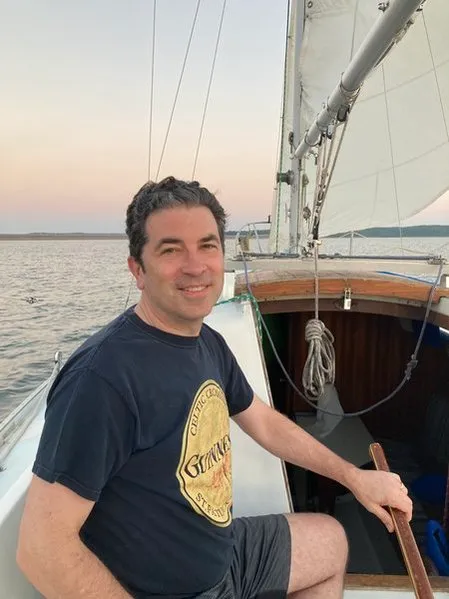
What is life like for people with Alzheimer’s disease who get diagnosed early enough for treatment to help? Writing in FoxNews this weekend, Dr. Brent Beasley paints an optimistic picture.
“Before treatment, I struggled to remember my cues while serving at the altar as a deacon; after the treatment took hold, I had a service where I was able to hit every mark once again.
I’m able to babysit my 2-year-old grandson, Frank, twice a week. I’ve been enlisted to teach medical students how to deliver bad news to patients, which I treat as a solemn duty.
I go on bike rides, which remind me of what it was like to be a kid. I spend precious time with my children and grandchildren. I take three-mile walks with my dog. I write.”
While Brent’s story is certainly not common, it is also not unique. Another patient, Sandy Schulin, featured on the Penn Memory Center's podcast The Age of Aging, regained the ability to play piano and performed better on cognitive testing after anti-amyloid treatment.
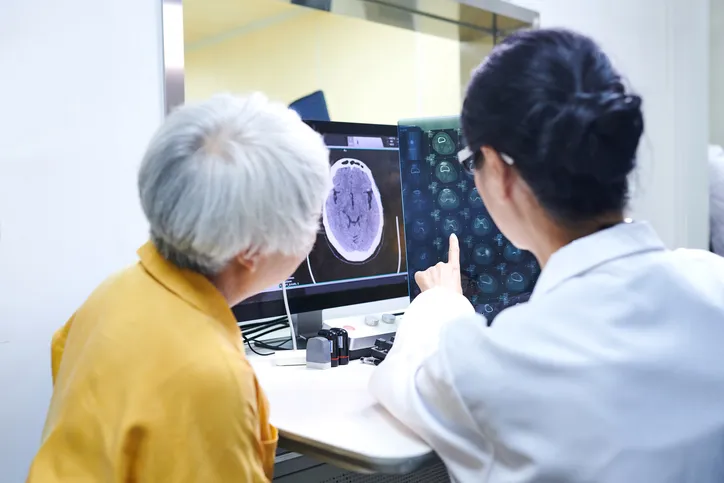
Anti-amyloid treatments are approved to slow down the progression of Alzheimer’s in people diagnosed in the early stages of the disease. But in Brent and Sandy’s cases, it even restored some abilities they had lost. These encouraging experiences beg the questions why did the treatment work so well for them – and how can we help more people like Brent and Sandy?
These are the questions we all want to answer, and that is why leaders in medicine, government and business should prioritize early Alzheimer’s detection. By educating people about cognitive impairment, easing the fear of a diagnosis, and reducing barriers to treatment, we can help more people fight the disease today and accelerate our scientific understanding of its remedies long into the future.
You can read Brent’s inspiring FoxNews Op-Ed here.