





By Ben Lieberman, Competitive Enterprise Institute
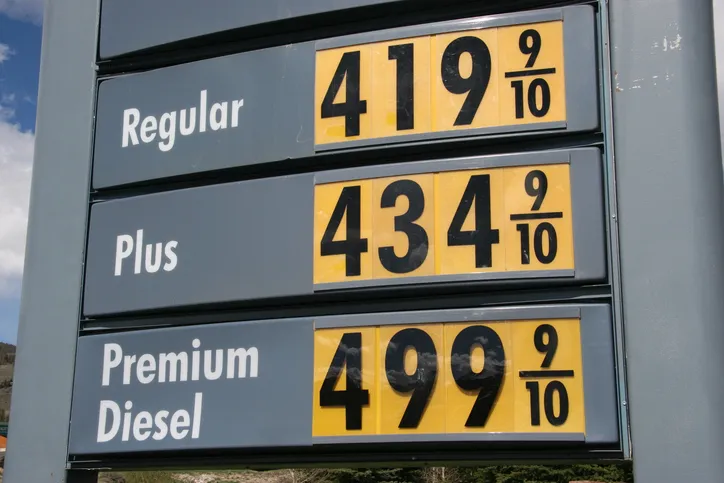
Thanksgiving week is here, and millions of families taking to the roads will pay 20 to 40 cents less per gallon of gasoline than they did during their summer vacations just a few months ago. The Iran conflict’s disruptions to tanker traffic in the Strait of Hormuz appear to be lessening, and we can hope for continued progress there. But war and geopolitics aside, there are domestic policies worth revisiting to ensure that future Thanksgivings give us gas prices that are as affordable as possible. These include the Renewable Fuel Standard, Reformulated Gasoline, and the Jones Act.
Renewable Fuel Standard (RFS): The Trump administration’s pro-domestic drilling policies – and opposition to the climate agenda and its war on fossil fuels – will help ensure greater petroleum supplies in the years ahead. But the price of oil is only part of the picture. Petroleum must be refined into the gasoline and diesel blends we use, and there are several federal programs that dictate the recipe for these fuels. This includes the RFS, a complicated program requiring that specified amounts of corn-based ethanol and other so-called biofuels be added to the gasoline and diesel fuel supply.
Needless to say, the mandate adds to the price at the pump. After all, the fuels industry is always free to add as much ethanol to the gasoline supply as makes economic sense, but the RFS sets arbitrary targets higher than that, leading to compliance costs that have been estimated as high as 37 cents per gallon. The only beneficiaries are the agricultural interests and ethanol producers who enjoy a federally imposed high demand for their product.
Notwithstanding the substantial political difficulties in repealing the RFS, doing so would be well justified from a consumer standpoint. Short of that, the Environmental Protection Agency (EPA), which sets the annual targets under the program, could lower the required levels in future years and in so doing reduce the price we see at the pump.
Reformulated Gasoline (RFG): Like the RFS, RFG is a decades-old Clean Air Act program that has outlived any usefulness it may have once had. RFG requires specialized and supposedly cleaner-burning gasoline blends in those metropolitan areas classified as in severe non-attainment with EPA’s smog standards. About 25 percent of the nation’s gasoline supply is RFG. There are several specifications that RFG must meet, including more stringent summertime limits for volatile organic compounds (VOCs), which are a precursor of smog.
Reducing VOCs necessitates removing highly volatile butane from gasoline, which adds about two cents per gallon to production costs while also shrinking supplies. In addition, the RFG program further balkanizes the nation’s fuel markets, leading to logistical challenges that can exacerbate any other disruptions, such as hurricanes or unexpected refinery outages.
The RFG program was rolled out in 1995, and it was successful in helping reduce emissions given the vehicle technologies of the time. But today’s cars and trucks are far cleaner regardless of the fuel used. RFG no longer makes an appreciable difference in emissions compared to using conventional fuel.
It is hard to say how much eliminating the RFG program would reduce prices, but even a few cents per gallon decline would outweigh the vanishingly small environmental benefits while also strengthening the resiliency of motor fuels markets. The EPA already has the authority to pare back the current RFG requirements, and it should do so. And Congress ought to eliminate the program entirely.
Jones Act: The Jones Act limits shipping between US ports to vessels built, owned, and operated by Americans. The main goal of the law was to encourage a robust domestic shipping industry, but it has not achieved that goal. In fact, most commercial ships don’t meet the requirements. The relatively few ships that do comply mean limited domestic commerce from port to port for many goods, and that includes oil and refined products.
Fortunately, President Trump temporarily waived the Jones Act last March in light of motor fuel price hikes. There is evidence that doing so was very helpful in moving domestic supplies to where they were needed, including increased shipments from the energy-rich Gulf to the East and West coasts.
If a temporary waiver was helpful, a permanent one would be even better because the fuels industry could plan and invest around it. Permanent repeal of the Jones Act would be a worthwhile legislative goal for Congress.
Global events affecting the price at the pump are ongoing, and we can hope for a good resolution to the current conflict with Iran as well as the Russian invasion of Ukraine. But independent of events abroad, reforming the RFS, RFG, and the Jones Act are three domestic policy measures that would help provide additional price relief for America’s beleaguered drivers and make future Thanksgiving road trips less costly.
Ben Lieberman is a senior fellow who specializes in environmental policy at the Competitive Enterprise Institute.