


By Ben Lieberman, Competitive Enterprise Institute
In a rare piece of positive news on the energy affordability front, the US Energy Information Administration (EIA) projects that Americans heating their homes with natural gas this winter will pay less than they did last year. This should provide welcome relief for tens of millions of homeowners in the cold months ahead, but for the good news to extend into future years, we will need to continue fighting back against the climate change agenda and its war on natural gas.
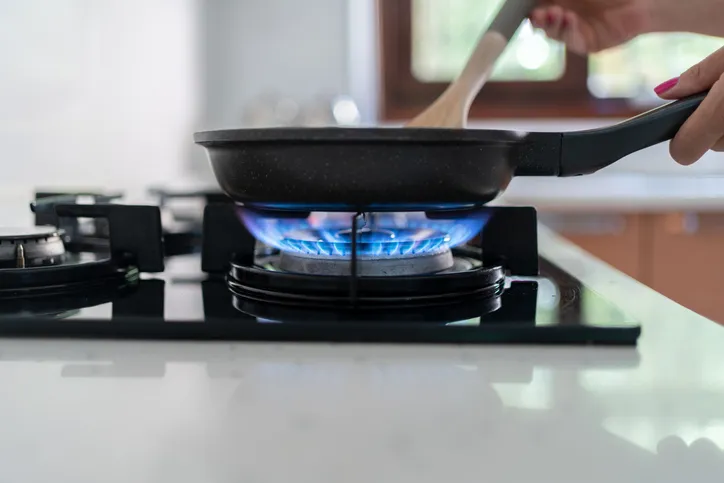
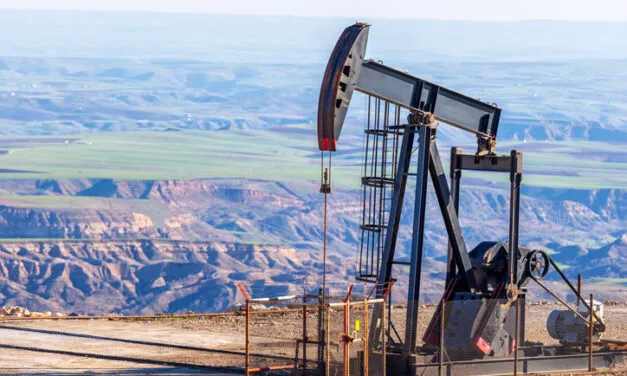
Thanks to the fracking revolution, America has plentiful and affordable supplies of natural gas. This has been very beneficial for homeowners who can save money by using natural gas appliances rather than electric ones, including water heaters, stoves, clothes dryers, and especially furnaces. According to the Department of Energy, natural gas is 3.5 times cheaper than electricity on a per-unit energy basis.
EIA’s recently released Winter Fuels Outlook 2026-27 projects that, for the nearly half of American homes heated with natural gas, household energy expenditures will be 9 percent lower than they were last winter.
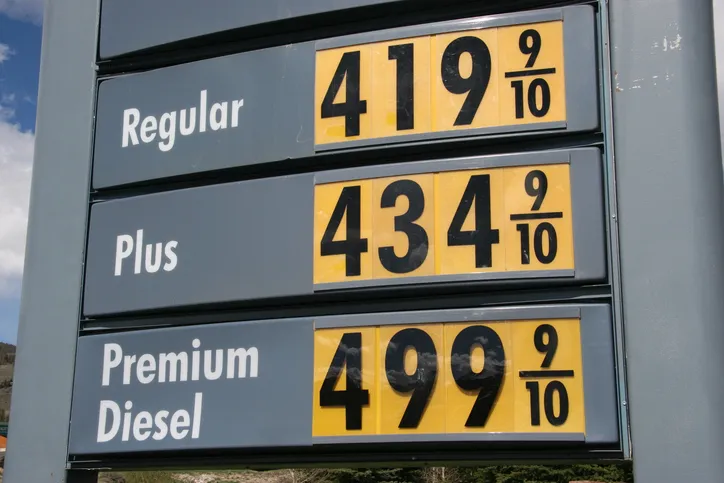
In contrast, the cost of electric heat is projected to inch up another 4 percent. The news is even worse for the 3 percent of homes, mostly in the Northeast, that rely on heating oil, a petroleum product similar in composition to diesel fuel and subject to the same geopolitical forces that have sent its price to record levels. And the projection of 21 percent higher bills for oil-heated homes would have been even higher but for the fact that EIA also takes weather forecasts into account, and the Northeast is predicted to have a milder-than-average winter.
The good news on natural gas can last for future winters, but only if the right policies are in place. The previous administration did the opposite, waging a climate change-inspired war on natural gas. It was broad-based, including opposition to natural gas production on federal lands as well as permitting roadblocks on proposed new pipelines. There were also several regulations targeting natural-gas appliances, such as tough Department of Energy efficiency standards skewed against natural gas furnaces in favor of electric versions.
The Trump administration reversed many anti-natural gas policies, including ones in the 2022 Inflation Reduction Act that were defunded in the One Big Beautiful Bill Act. The administration even weighed in against the anti-gas furnace rule in a case before the Supreme Court. The Court agreed with its arguments and vacated the rule.
But antipathy to natural gas is still percolating in many deep blue state and local governments. Several have imposed outright bans on natural gas in newly constructed residences. And phasing out natural gas is still a high priority for many climate change activists whose goal is to make electricity the only energy option for homeowners. Undoubtedly, they will urge the next president to revive the Biden administration’s anti-natural gas agenda.
Right now, natural gas is one of the few energy bargains available to the American people, but we will need constant vigilance to keep it that way.
Ben Lieberman is a senior fellow who specializes in environmental policy at the Competitive Enterprise Institute.