



By Iain Murray, Competitive Enterprise Institute
Sen. Elizabeth Warren (D-MA), the likely new chair of the Senate Banking Committee, has publicly said she wants to work with President Trump to cap credit card interest rates at 10 percent. While the president endorsed the idea earlier in his second term, he has not yet taken any steps to turn his rhetoric into policy. He should continue to resist calls to do so.
There’s a certain populist appeal to this plan. Viewed in isolation, a cap on interest rates would save borrowers a lot of money. However, as any student of Henry Hazlitt knows, the central lesson of economics is to look at all the likely effects of an intervention, not just the immediate effects.
The first thing to look at is how banks would respond to the loss of a significant amount of their $120 billion income stream – and that’s just the top five issuers. There are three basic ways to make money from credit cards: interest, interchange fees charged to merchants, and other fees, such as annual fees.
The first area banks would likely target to replace lost income is ancillary fees, such as late payment fees, balance transfer fees, and things like foreign transaction or cash advance fees. Cards that are currently advertised with no fees in these areas would likely dwindle in availability. However, such fees have also been the target of action against “junk fees” in this and the prior administration, so they may come under regulatory scrutiny themselves.
It’s the same story with interchange fees. There are all sorts of federal and state proposals to cap those fees or remove certain aspects of transactions (like tips) from them altogether. In other words, all avenues for making money from credit cards are under threat of closure or severe restrictions.
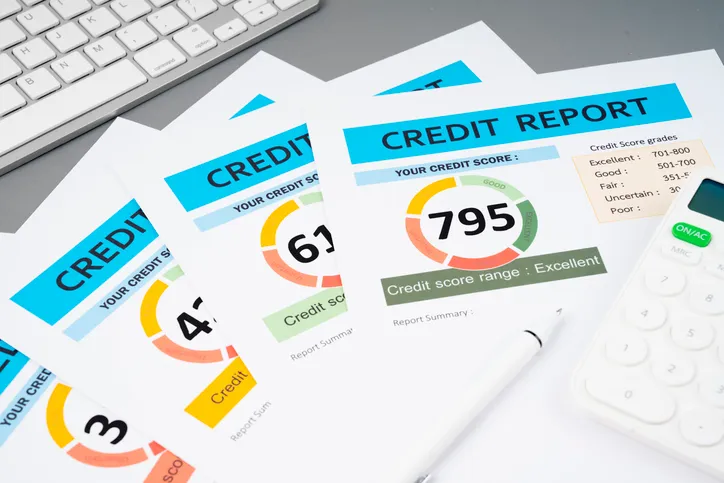
The likely effect of an interest rate cap is therefore easy to see coming: a significant reduction in the total credit lines available to consumers. Industry studies suggestover 175 million card cancellations or significant reductions in their credit limits. Anyone with a credit score of 740 or below would probably lose access to credit – and note that a 740 score is at the bottom end of “very good” credit. In other words, a lot of people with responsible credit histories would suddenly find themselves cut off.
Consumers who have grown used to the convenience of instant, unsecured credit through a card in their wallet may be forced to look to other places when they need money either in an emergency or for medium-sized purchases. Some would seek the secured credit of a car title loan. Others might need to make use of payday loans or perhaps even approach what is known as the unregulated sector (loan sharks, in other words).
This sudden reduction in easily available credit would also cause overall consumer card spending to fall. This would affect not only banks, through loss of interchange fee revenue, but merchants as well. First, interchange fee discounts for small merchants would likely disappear, causing them to become less competitive with larger retailers.
Further, all merchants would likely lose sales volume. This would particularly affect medium-sized purchases that are routinely financed through credit, such as appliances. Some merchants may start offering their own credit, which comes with its own overheads, reversing the trend towards outsourcing that provision to banks.
There would also be significant effects on the revenue streams of businesses that have successful co-branded credit cards with banks, most obviously airlines. Rewards programs have routinely been early victims of government restrictions on both debit and credit cards, and scaled-back rewards, coupled with higher fees, lower credit limits, and widespread card cancellations, would dramatically reduce consumer use of these cards. For airlines, for example, that would mean a big hole in their revenue projections, which would need to be filled with higher ticket prices and fewer flights.
The result would be that unsecured credit once again becomes available primarily to the well-off, while millions of middle-class consumers see their credit severely restricted and working-class consumers are forced to turn to unpleasant alternatives. And all of this would take place at a time when consumers have repeatedly vented their frustration at the cost of living at the ballot box.
In short, a move to restrict credit card interest rates to 10 percent would be an economic disaster, with far-reaching ramifications well beyond the immediate. President Trump should refuse to work with Sen. Warren on this spectacular piece of economic slopulism.
Iain Murray is Vice President for Strategy and senior fellow at the Competitive Enterprise Institute.