




By Steve Swedberg, Competitive Enterprise Institute
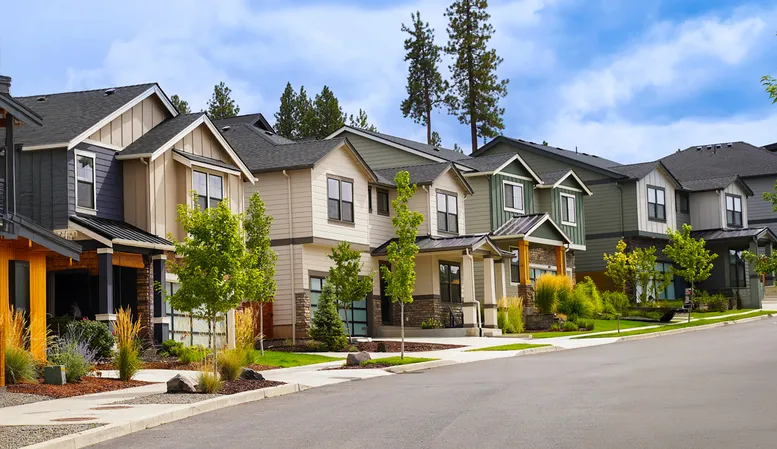
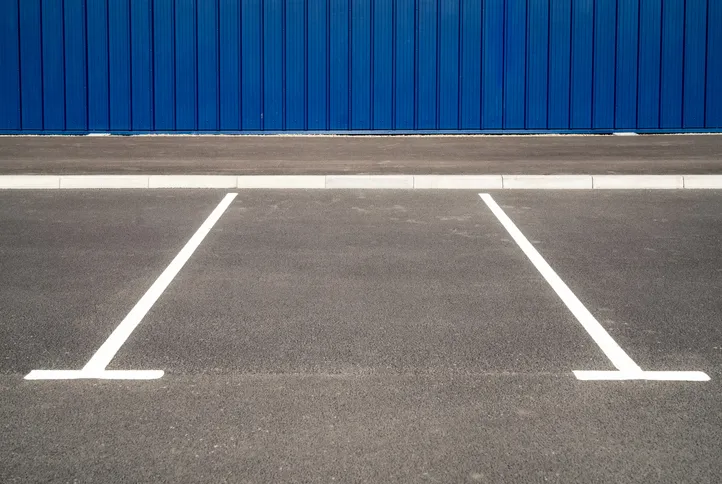
It may sound counterintuitive, but some significant housing policy is tucked away in the parking sections of local zoning codes. A minimum parking requirement (MPR) is a zoning rule that mandates a fixed number of off-street parking spaces for each new home or business, typically based on unit count or square footage. As a condition of approval, developers must plan and allocate the required parking spaces before a project can receive permits, often setting aside large portions of a lot for cars.
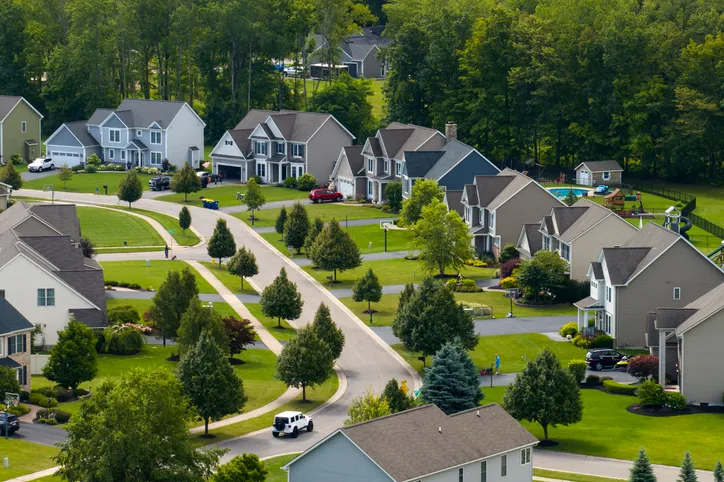
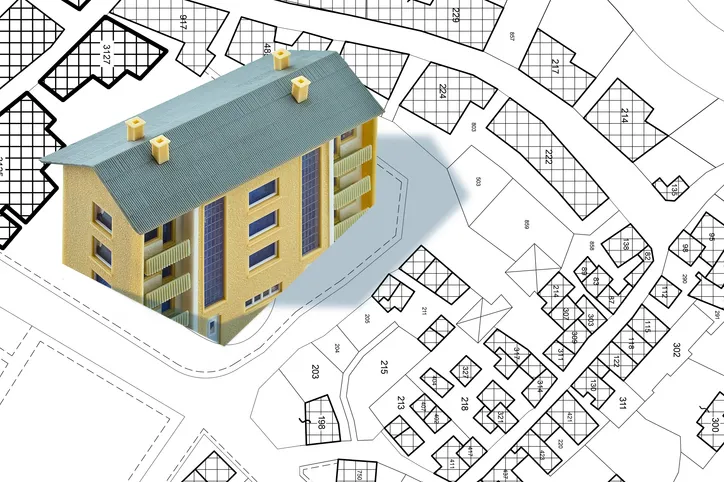
Found in cities, suburbs, and exurban communities alike, MPRs require builders to dedicate land and capital to parking instead of housing. Because projects cannot move forward without meeting these quotas, developers must plan parking before construction begins and often reserve large portions of a lot for surface lots and structured garages. This allocation shapes building footprints, unit counts, and costs from the outset.
Recognizing that parking quotas shape housing outcomes, a growing number of cities have begun to eliminate or loosen their MPRs. In late 2025, Baltimore scrappedits minimum parking requirements citywide. Other cities, such as Minneapolis, Austin, Chicago, and Denver have also eliminated MPRs. Some cities are finally realizing that deregulating asphalt can be a surprisingly effective way to increase home supply and lower costs.
The price tag beneath the pavement
Ironically enough, one of the most expensive housing regulations is buried in the parking chapter of local ordinances. When cities require a fixed number of off-street spaces, those spaces must be financed, engineered, and constructed before a single resident moves into their new home. Estimates from the UCLA Institute of Transportation show required parking adds $50,000 to $100,000 per apartment unit.
These costs do not remain with developers; they are passed on through higher rents and home prices. Using data from the American Housing Survey, researchers from UCLA estimated that bundled parking increases rent by about $1,700, or approximately 17 percent.
Homebuyers face similar costs, as parking requirements are built into mortgages and sale prices. A 2025 report from the Victoria Transportation Policy Institute (VTPI) estimated that MPR reforms can reduce the costs of basic housing by 10-20 percent. The causal chain is straightforward: mandating expensive inputs raises total project costs, making housing more expensive.
Other costs of ‘convenient’ parking
The costs of MPRs go beyond housing. VTPI points out that by making parking easier and cheaper to provide, MPRs increase household reliance on cars, raising expenses for fuel, maintenance, insurance, and additional vehicles.
Additionally, VTPI describes how MPRs encourage sprawling and low-density development that consumes more land and drives up public infrastructure costs, including longer roads, extended utility lines, and more dispersed services. In short, parking mandates do not just make homes more expensive, they nudge cities toward car dependence and sprawling neighborhoods, which creates higher expenses for residents and taxpayers.
When asphalt crowds out roofs
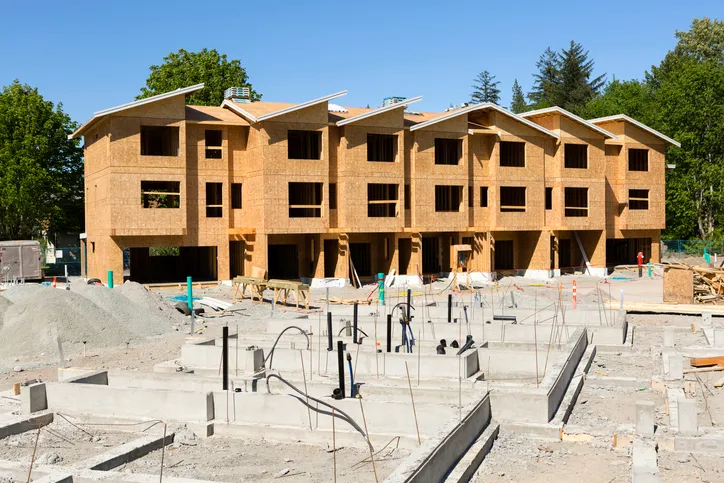
MPRs constrain housing supply by converting scarce developable land into mandatory parking. When zoning codes force developers to set aside space for mandated parking, that land cannot be used for homes. Analysis from UCLA points out that “parking minimums can reduce housing and population density, and lower land values, because parcels cannot be fully developed.”
Large-scale empirical studies isolating this effect are limited, largely because national housing datasets lack detailed parking policy data. Still, evidence from Denver found that eliminating MPRs could increase housing production by about 12.5 percent. Similar supply-reducing effects were observed in London and Stockholm.
Supersized parking, undersized need
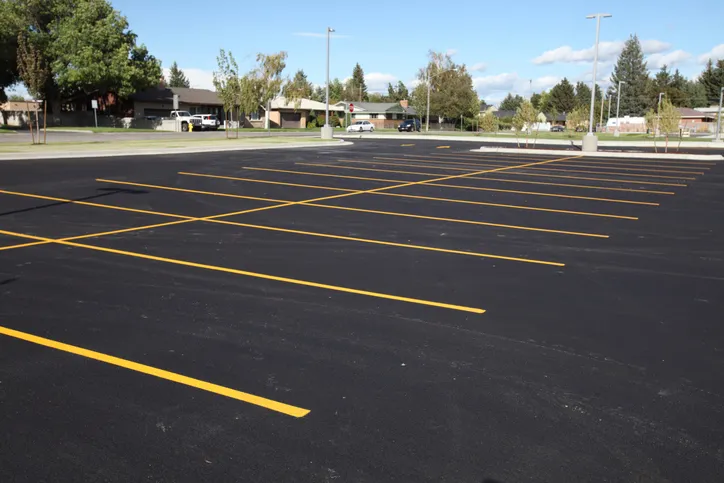
If you have walked past a half-empty parking lot on a Sunday afternoon and wondered why there was so much space, you are not alone. Evidence shows that MPRs are often the culprit. When University of Oregon researchers studied cities that eliminated their MPRs, they found that developers in Buffalo built 53 percent less parking, and Seattle saw a 40 percent reduction. UCLA researchers confirm that most MPRs were binding, meaning that they caused an oversupply of parking.
In some cases, parking supply far exceeds demand. In San Francisco, demand was 25-30 percent below the supply. Only two out of seven available parking spots were used on average in Davis, California. An international study of 12 mid‑sized cities in Germany, the Netherlands, and Switzerland found that mandated minimums produced 50-100 percent more parking than needed.
That empty asphalt has real costs. Every mandated space occupies land and construction dollars that could have gone toward apartments, townhomes, or mixed-use development. In dense neighborhoods, a single surface lot could accommodate dozens of housing units. In effect, MPRs transform valuable urban land into regulatory wastelands.
Paving the way for homes
Removing MPRs does not leave cites without parking. It simply lets residents, developers, and ultimately the market determine how many spots are needed. Developers will still build parking where it is needed, but will not be forced to overbuild based on arbitrary quotas.
More importantly, repeal unlocks flexibility. Land and capital can go toward housing instead of asphalt. This allows developers to respond to market demand and expand housing variety, thereby making better use of urban space. By aligning regulations with real-world conditions rather than government-imposed minimums, cities will ensure residents can choose the right balance between housing and the cars they often need to get around.
Steve Swedberg is a Policy Analyst with the Center for Economic Freedom, focusing on financial, monetary, and transportation policy.