




By Sal Rodriguez, Pacific Research Institute
Many urbanists were excited by a recent study from Arizona State University researchers reporting that “nearly one fifth of urban and suburban U.S. car owners express a definite interest in living car-free (18%), and an additional 40% are open to the idea.”
Those numbers are in addition to the roughly 10% of urban and suburban respondents who actually live without a car (for myriad reasons).
Streetsblog took these findings as a major development against Big Car. “The results mean, basically, that a full century’s worth of policymakers putting a massive thumb on the scale in favor of car dominance somehow hasn’t totally erased Americans’ appetite for other ways of getting around — and if the scales were leveled, there’s no telling how different our country might look today,” wrote Kea Wilson.
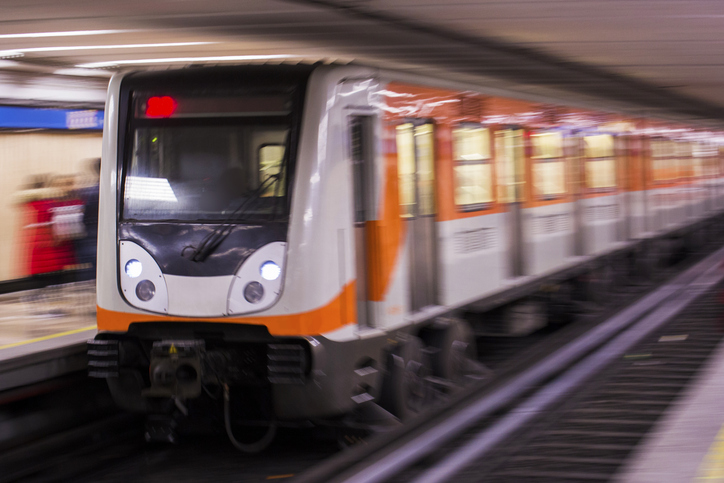
Transit consultant Jarrett Walker over at Human Transit had a more measured response. Taking it as vindication that there is at least a significant expressed interest in a car-free life, while acknowledging the reality that public transportation simply isn’t any good in much of the country.
“I expect to refer to this study frequently, because it pierces the illusion that public transit faces a ‘cultural’ challenge in the U.S.,” he writes. “Public transit’s problem in the U.S. is that it isn’t very useful. That’s something we can measure, and change.”
A closer read of the study should dampen some of the enthusiasm. Robert Steuteville at the Congress for New Urbanism points out, “The tenth of households that don’t currently own a car are largely living this way out of financial necessity. The authors call the segment that can’t afford an automobile ‘car-less.’ Fewer are living this way by choice, which would be truly ‘car-free.’”
There are low-hanging caveats to make about reading too much into the study.
Of course, trying to extrapolate exactly what hundreds of millions of Americans would actually do if given the choice based on even the best constructed survey of a couple thousand people is a fool’s errand. But that aside, there’s an obvious takeaway here: People are different, want different things and want different things at different points in their lives.
Rather than trying to push people into living a car-free life, the aim should be to free urban markets to work so that as many people have as many options as possible for how to live their lives as they wish to.
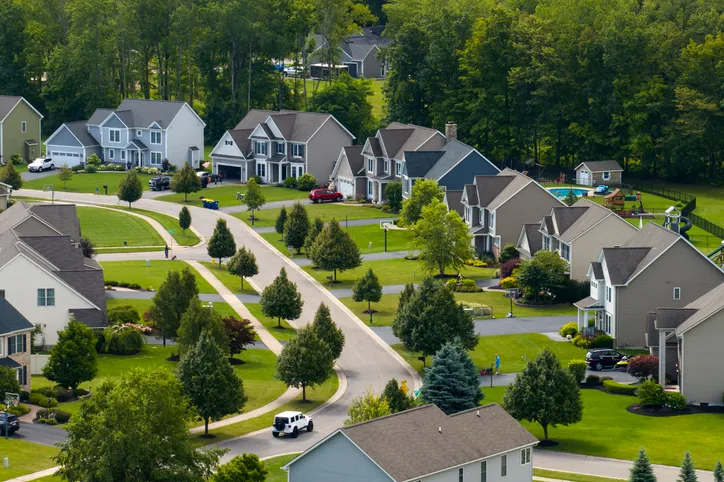
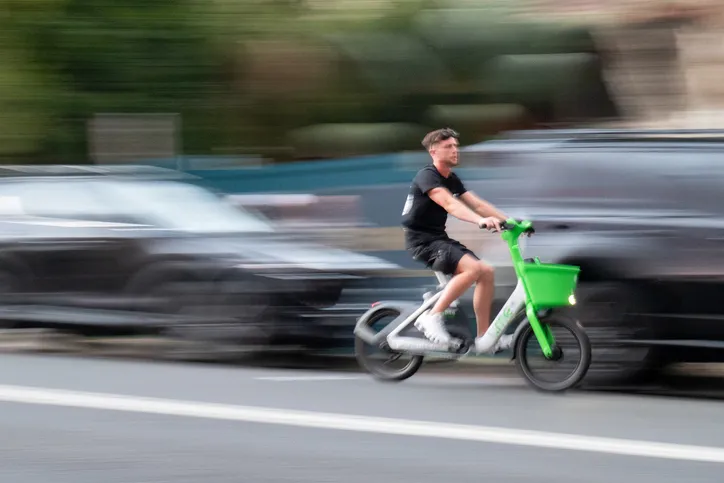
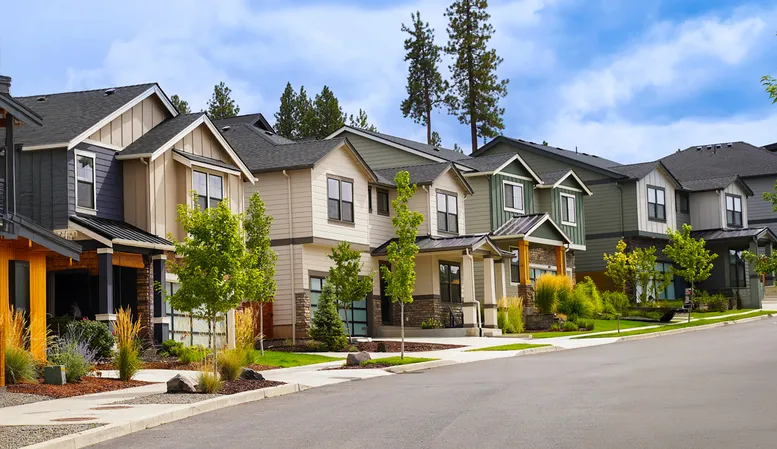
For some, this will mean a life in a single-family home in the suburbs, with a car as the preferred means of transportation. For others, this will mean living close to an urban center, without a car and getting around via public transit, on foot, by bike or however else makes sense to them.
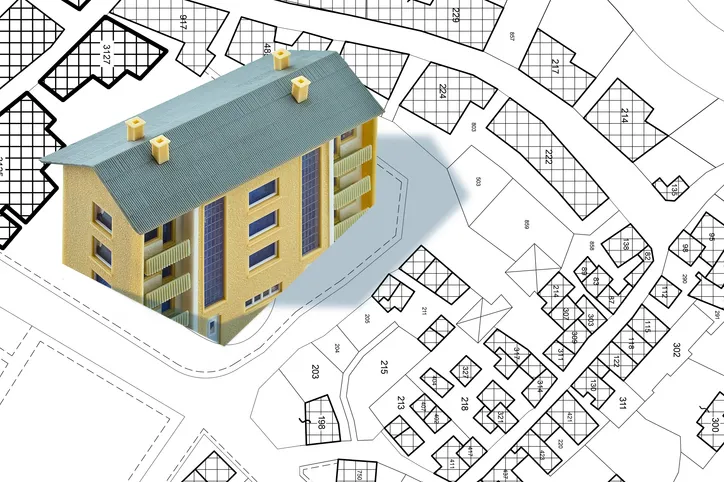
ASU researcher and study coauthor Nicole Corcoran told ASU News, “The car-free lifestyle may be less constrained by public willingness and more constrained by the lack of supply of supportive neighborhoods and developments. This lack of supply is, in part, due to some key structural policy barriers that govern what developers are allowed to build.”
If that is the case, Corcoran suggests, some of the proper policy responses include ideas advocated by myself and others here at the Free Cities Center, like revisiting zoning laws, legalizing mixed-use developments and reevaluating mandatory parking requirements.
While it might seem obvious that downtowns and areas near high-quality transit corridors are perfect candidates for upzoning, broadly legalized housing and dropped parking mandates, this is still controversial even in states that have pushed housing reforms like California.
To take a real world example, the city of Los Angeles has expressed opposition to a state law that simply allows taller apartments within a half-mile of light-rail stops and bus rapid transit stops. The opposition has taken many forms, but of course includes the usual appeals to “local control” and the paradoxical argument that legalizing more density near transit will galvanize the public against transit.
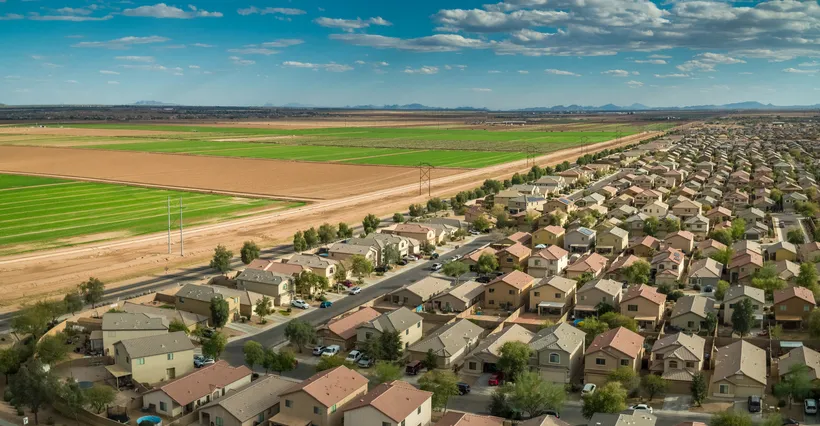
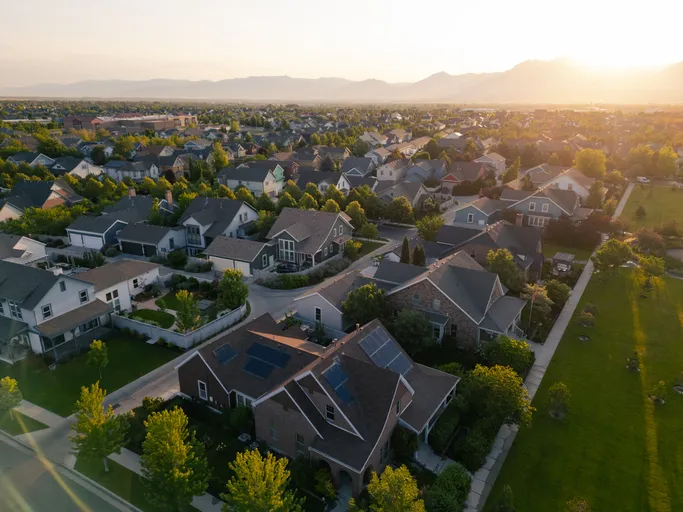
This line of argument, and associated policies prohibiting denser housing in urban centers and near high quality public transportation, has undoubtedly contributed to sprawl. This makes it harder for transit to actually work and ultimately restricts people’s options to live without a car or less dependently on cars.
Los Angeles’ opposition to density near already existing transit also flies in the face of common sense. If the decision has already been made to invest in and build light-rail and plan for bus rapid transit in a given area, it would seem like if you’re trying to optimize the ridership you should probably allow more people to live within a reasonable distance of such lines. And in plain English that means allowing greater density housing near transit. In some instances, developers have even built car-free communities from scratch.
It’s policy battles like this that need to be won if we’re going to live in a country where people have as many modes of living available as possible. We don’t need to demonize cars, we don’t need to demonize transit. Some people want to live in dense, walkable cities; other people want to live out in the ‘burbs and drive everywhere. What matters is freedom of choice.
Sal Rodriguez is opinion editor for the Southern California News Group and a senior fellow with the Pacific Research Institute. He is the author of Dynamism or Decay? Getting City Hall Out of the Way, published by the Pacific Research Institute.