





By Justin Liu, Competitive Enterprise Institute
Last week, Sen. Chris Murphy (D-CT) introduced the Senate version of the Living Wage for All Act, which raises the federal minimum wage from $7.25 to $25 per hour — a 245 percent increase — over 12 years. It begins by increasing the minimum wage 66 percent to $12 an hour and then establishes separate schedules for large and smaller employers, with the former being required to raise hourly pay to $25 in only 5 years.
While this bill is unlikely to pass, news-making proposals like a $25 minimum wage provide an opportunity to revisit why most economists oppose any wage floor at all. They force higher costs onto employers, which winds up disproportionately hurting hourly workers.
Today, much of the US enjoys non-binding minimum wages. That is, 99 percent of employees already earn above the federal minimum because local labor conditions and productivity push wages higher. According to the Cato Institute, the median effective minimum wage was $13.73 in January 2026. Mandated increases beyond this level bind employers to artificially high wages.
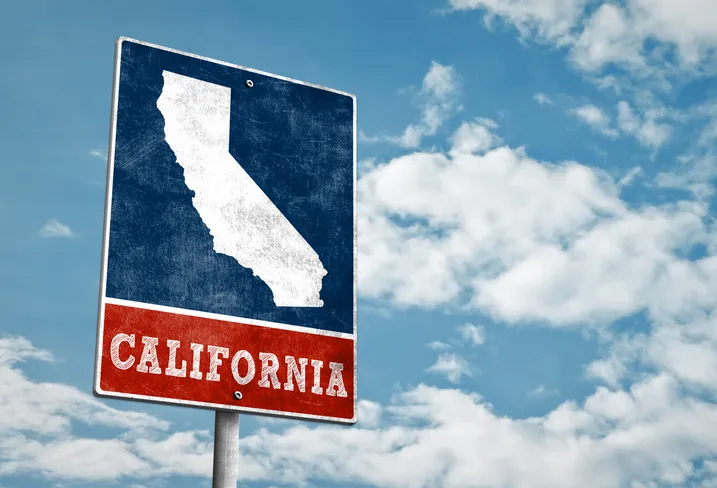
Once the minimum wage becomes binding, employers face trade-offs: mainly, fewer non-wage benefits. Another Cato study found that after California increased its minimum wage from $11 to $12, the average affected employee worked five fewer hours per week. Fewer workers qualified for employer-sponsored health and retirement plans, while average wages actually fell by 13.6 percent.
Job losses still occur under high minimum wages. Between 2023 and 2024, California actually lost about 18,000 fast-food jobs after raising their minimum wage from $16 to $20. Employers with more money automate tasks, while firms teetering on unprofitability close. Restaurants are especially vulnerable due to another provision in the bill that eliminates subminimum wages. (My colleague Sean Higgins writes about this here.)
Additionally, competition grows fiercer with higher minimum wages, resulting in more hiring discrimination. A 2023 study found that after a 10 percent minimum wage increase, job vacancies are filled up to 4.5 percent faster. As managers become choosier about whom to hire, they tend to hire fewer teen, disabled, and less educated applicants. These people might have accepted lower wages rather than no work at all. Binding wages therefore restrict individual choices as well.
In low-cost-of-living states where the $7.25 federal wage became binding during the Great Recession, low-skill paid employment fell by 8 percent. The Living Wage for All Act would make this worse by raising the minimum wage by an average of 20.4 percent each year for 12 years — roughly six times private-sector wage growth. This would likely make the federal wage binding on hourly workers in all but the largest cities, increasing cost pressure on employers and reducing hourly workers’ wages nationwide through a combination of layoffs, fewer hours, and reduced benefits.
It would also increase consumer prices. Firms that employ many minimum-wage workers often partly offset higher labor costs by raising prices. As one 2019 studyfound, a 10 percent minimum wage increase raises overall prices by 0.24 percent and restaurant prices by 0.53 percent. This inflation is regressive because lower-income households spend a larger share of their income on food. As CEI’s Steve Swedberg noted, it would also worsen existing inflationary pressures.
Sen. Murphy’s bill pledges to prevent “future erosion of purchasing power” and promote “broad-based economic growth.” But this restyled price control comes with trade-offs that look more like engineering’s Murphy’s law: “Anything that can go wrong will go wrong.”