



By Bryan Riley, National Taxpayers Union
President Donald Trump has waived the Jones Act for 60 days to mitigate supply disruptions resulting from conflict in the Middle East.
This raises a fundamental question: why do policymakers regularly suspend this law during emergencies yet leave it in place the rest of the time?
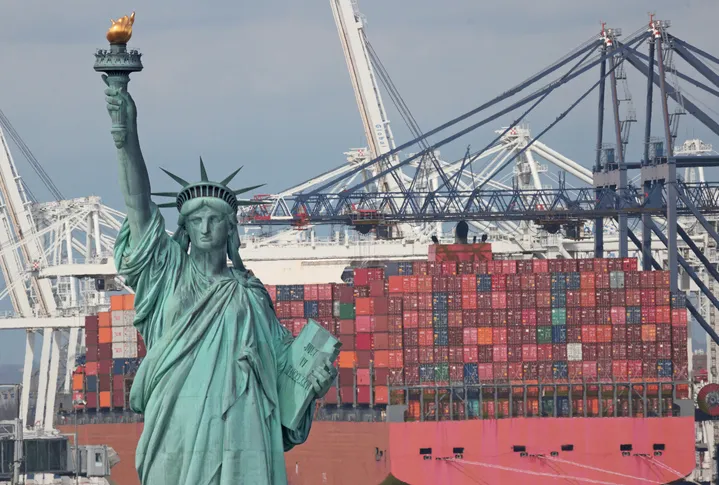
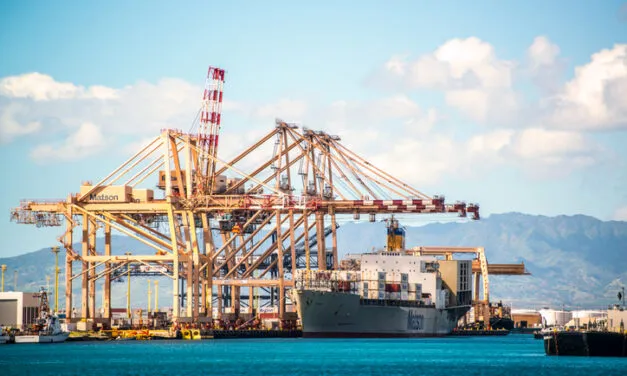
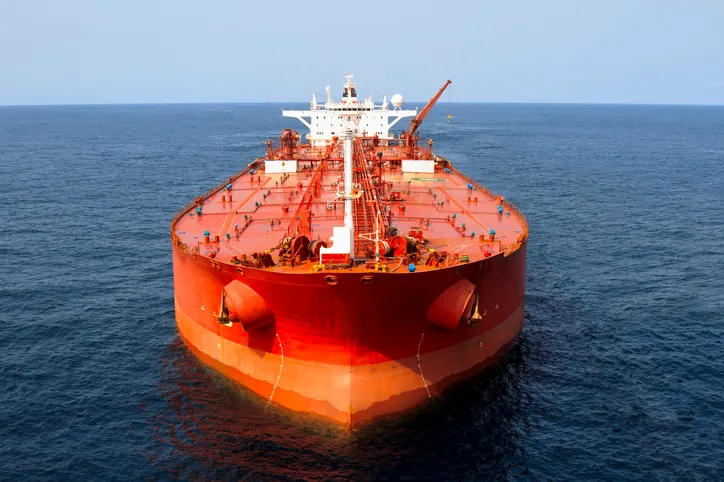
The Jones Act is an antiquated 106-year-old law officially known as the Merchant Marine Act of 1920 that places draconian restrictions on the use of ships to transport goods within the United States. According to White House press secretary Karoline Leavitt, the waiver allowing the use of foreign vessels to transport goods “will allow vital resources like oil, natural gas, fertilizer, and coal to flow freely to U.S. ports for sixty days.”
The Jones Act requires that goods transported domestically over water use ships that are primarily U.S.-owned, U.S.-crewed, and U.S.-built. According to the federal government, the law’s goal is to create a coastwise monopoly for shipping. Similar restrictions do not apply to domestic cargo transportation via land or air.
The new Jones Act waiver is a good reminder of how protectionist laws like the Jones Act weaken U.S. national security and economic resilience. For example:
- The U.S. International Trade Commission reports that the Jones Act increases the cost to ship rice from the continental United States to Puerto Rico, encouraging imports from China and elsewhere.
- The Farm Bureau has endorsed a Jones Act waiver to facilitate domestic shipments of fertilizer.
- Similarly, the Agriculture Retailers Association has called for the Jones Act to be abolished to expedite domestic transportation of agricultural inputs like fertilizer.
- Sen. Mike Lee (R-UT) has observed that “America produces liquefied natural gas (LNG), but we can’t ship it to other American ports due to hundred-year-old red tape. States in need of LNG are forced to rely on Russia for their energy supply.”
- A 2023 study calculated that eliminating the Jones Act would reduce East Coast gasoline, jet fuel, and diesel prices.
As National Taxpayers Union Foundation has documented, the federal government has repeatedly waived the Jones Act to ease shipping cost and facilitate America’s response to national emergencies including:
- Hurricane Katrina (2005)
- Hurricane Rita (2005)
- Libyan Crisis (2011):
- Hurricanes Harvey and Irma (2017)
- Puerto Rico (2017)
- Colonial Pipeline (2021)
- Hurricane Fiona (2022)
- Middle East conflict (2026)
Several bills have been introduced to alleviate the costs associated with the Jones Act. The Noncontiguous Shipping Relief Act, introduced by Rep. Ed Case (D-HI) and Delegate James Moylan (R-GU), would allow foreign-flag vessels to transport merchandise domestically to or from a port in the noncontiguous United States. The Open America’s Waters Act, introduced by Sen. Mike Lee (R-UT) and Rep. Tom McClintock (R-CA), would repeal the Jones Act entirely.
The key question for policymakers going forward should not be whether this temporary Jones Act waiver is needed, but why a law that is repeatedly waived whenever there is a national crisis remains on the books.
But for now, President Trump deserves support for issuing a 60-day Jones Act waiver to help America respond to supply interruptions and price increases resulting from conflict in the Middle East.
Bryan Riley is Director of NTU’s Free Trade Initiative.