





By Whitney Munro, FLEX Partners
The Department of Labor just handed congressional Republicans a gold-plated election opportunity: to permanently protect small businesses and entrepreneurs from federal bureaucrats cutting them off at the knees.
The Trump administration moved to reverse the Biden administration’s vague, inscrutable “six-factor test” for classifying workers as full-time employees or independent contractors. Now, we’ll see clearer standards for determining who qualifies as what kind of employee under the Fair Labor Standards Act, and businesses and independent professionals can leave the Biden era’s state of limbo.
The regulatory clarification is an important step. Congress needs to codify those protections into law so the next administration won’t put their livelihoods at risk again.
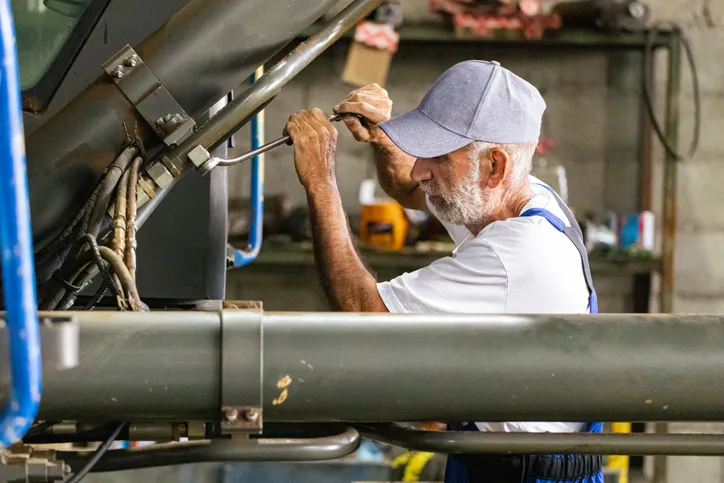
Research estimates that more than 70 million Americans participated in independent work in 2023, with millions relying on it as their primary source of income. They are not looking for a traditional nine-to-five job with a single employer. They are building careers as independent professionals, working with multiple organizations, managing their own schedules, and turning specialized expertise into thriving businesses.
Often, independent contracting is a matter of basic economic stability. It can bridge employment gaps during uncertain times, maintain skills between full-time roles, and generate income.
It also opens doors for the next generation of workers, such as college students working to reduce their reliance on student loans and moms who want the flexibility to work while raising their children. Clamping down on independent work opportunities for these and other groups will only suppress millions of Americans’ economic potential, and for no good reason.
I see this reality daily. I founded FLEX Partners, a Texas consulting firm that operates through a nationwide network of independent professionals. Our clients, many of them nonprofits and growing organizations, often need specialized expertise but do not need, or cannot afford, a full-time employee for every role.
On the other hand, hiring an independent contractor for a custom number of hours benefits both sides. Independent entrepreneurs can get paid, and the organizations receive what they’re seeking without overpaying for a full-time employee. Both sides lose when regulatory frameworks are unnecessarily complex.
We experienced this firsthand. The “six-factor test” led one of our largest clients to eliminate all independent contractors. Our team lost work they had built careers around, and not because the arrangement was inappropriate. The company, reasonably, wanted to avoid potential fines or even a lawsuit for violating an unclear regulatory environment.
Efforts to restore clearer regulations around contractor standards recognize these realities. However, a future administration can scuttle any regulation its Labor Department issues.
Legislative clarity solves that problem, and Congress has a vehicle to provide it. The Modern Worker Empowerment Act clarifies standards for independent work, protecting legitimate independent businesses while preserving safeguards against worker misclassification. A law, duly passed and signed, means real, future-proofed certainty for entrepreneurs, freelancers and the organizations that rely on them.
It would also give Republican lawmakers something increasingly valuable heading into what will likely be a challenging midterm environment: a clear, practical accomplishment to take to their districts.
Supporting independent workers and small businesses is an economic issue for millions of Americans building careers on their own terms. Legislation to cement the regulatory reforms would give lasting relief to millions who use their ingenuity to earn income and prevent the government from pulling the rug out from under them.
If Republicans do this right, these small-business owners will also know whom to thank in November.
Originally published here.
Whitney Munro is the founder, president and CEO of FLEX Partners, a national consulting firm that partners with dozens of independent contractors. She wrote this for InsideSources.com.